
Negligent Security Claims After Parking Lot Assaults in Hackensack
A property owner in Hackensack may be held financially responsible for injuries you sustained during an attack if they failed to provide adequate security. This area of law, known as premises liability, holds certain property owners accountable when their negligence contributes to foreseeable crimes.
While a criminal case focuses on the attacker, a civil claim for negligent security after a parking lot assault seeks to recover damages from a property owner who didn’t take reasonable steps to protect visitors from harm.
A Hackensack premises liability lawyer can help you pursue a claim to obtain the resources you need to address your injuries and losses.
Key Takeaways for Negligent Security and Parking Lot Assaults
- Property owners in New Jersey have a legal duty to implement reasonable security measures to protect people from foreseeable criminal acts.
- A negligent security claim requires demonstrating that the property owner knew or should have known about previous similar crimes on or near their property.
- Inadequate security can take many forms, including poor lighting, a lack of functioning surveillance cameras, broken gates, or the absence of security personnel.
- You may pursue financial compensation for a wide range of damages, including your medical expenses, lost wages, and pain and suffering.
- Your lawyer investigates to uncover prior incident reports and police records to prove the property owner knew of the danger and still had inadequate security measures.
Establishing Property Owner Liability for a Hackensack Parking Lot Assault
A property owner’s responsibility for a visitor’s safety is not absolute. They don’t become a guarantor of every person’s well-being. However, they must take reasonable actions to prevent foreseeable harm, and this duty extends to protecting against third-party criminal acts, like parking lot assaults.
A successful negligent security claim hinges on proving that the property owner breached this duty of care. This involves showing a direct link between the inadequate security and the injuries you suffered.
Your premises liability lawyer works to build a case that establishes four key elements: the property owner owed you a duty of care, they breached that duty, the breach directly caused your injuries, and you suffered damages as a result.
The Standard of Foreseeability in New Jersey
Foreseeability is the core concept in negligent security cases. To hold a property owner liable, your lawyer must show that they had a reason to anticipate that a crime, like an assault, could happen on their property. This doesn’t mean they had to know the exact time or place of an attack.
Instead, the focus is on whether a pattern of previous criminal activity existed on the premises or in the immediate vicinity. If similar incidents occurred before, the owner was on notice that a dangerous condition existed.
This knowledge creates a duty to take proactive steps to protect future visitors from similar harm.
Proving a History of Prior Crimes
Maggiano, DiGirolamo & Lizzi, P.C. investigates the property’s history to establish foreseeability. This investigation involves gathering official records and data that paint a picture of the safety conditions at the location.
Our lawyers can review police reports for calls made from the address, crime grids for the surrounding neighborhood, and internal incident reports from the property owner.
Evidence from former employees or other victims can also show that the owner was aware of the risks. This documentation demonstrates that the property owner had ample warning about the potential for a parking lot assault.
Identifying Inadequate Security Measures
When a property owner knows of a potential danger, they must implement reasonable security measures to address it. A failure to do so constitutes a breach of their duty of care. What counts as “reasonable” depends on the specific circumstances and the level of risk.
Common examples of inadequate security in these cases include:
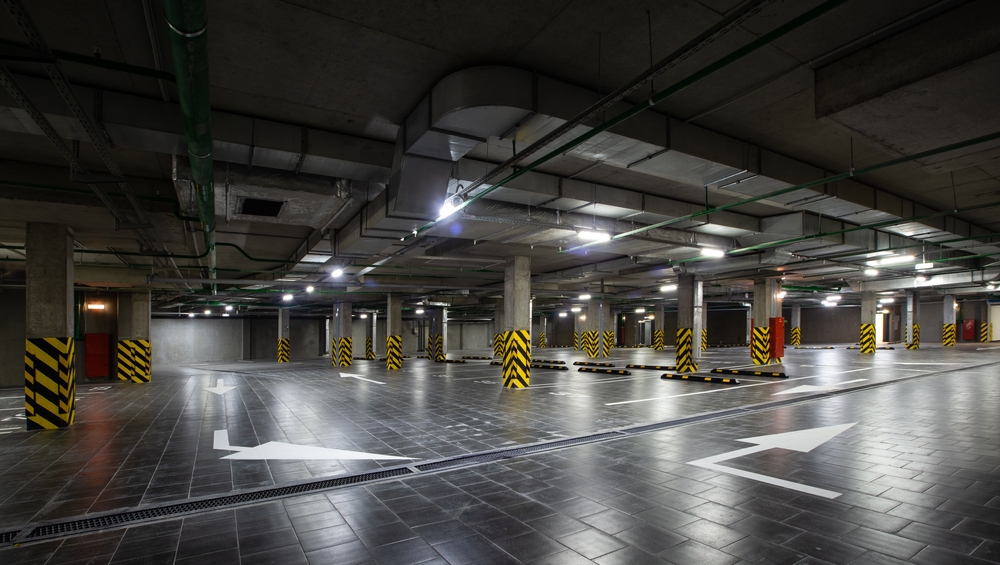
- Poor Lighting: Inadequately lit parking lots, stairwells, and walkways create opportunities for attackers to hide.
- Lack of Surveillance: The absence of visible and functioning security cameras removes a significant deterrent to criminal activity.
- Broken Security Features: Defective locks, gates, or call boxes provide a false sense of security and fail to prevent unauthorized access.
- Insufficient Personnel: A property may lack a sufficient number of security guards for its size, or the guards on duty may have inadequate training.
- Overgrown Landscaping: Unkempt trees and shrubs can create blind spots and hiding places that conceal potential assailants.
Common Locations of Parking Lot Assaults in Bergen County
Parking lot assaults in Hackensack and throughout Bergen County often occur in areas where visitors feel safe, but property owners or managers have failed to maintain proper security. Victims are targeted in everyday settings—places they visit to shop, work, or receive medical care.
In Hackensack and neighboring communities like Teaneck, Lodi, and Paramus, certain properties are more prone to these incidents due to insufficient surveillance, poor lighting, or a lack of security patrols.
Some of the most common locations for parking lot assaults in Hackensack and Bergen County include:
- Shopping Malls and Retail Centers: Large parking areas at The Shops at Riverside or the Bergen Town Center over in Paramus, often contain secluded spots that aren’t properly monitored.
- Apartment and Condominium Complexes: Residents in Hackensack apartment communities may face risks when landlords fail to install adequate lighting or security systems in parking areas.
- Grocery Stores and Big-Box Retailers: Busy lots at ShopRite, Costco, and Target can make it difficult for staff to monitor all areas, creating opportunities for assault or robbery.
- Office Parks and Medical Facilities: The Hackensack University Medical Center campus and surrounding medical offices have large garages that become vulnerable late at night or during shift changes.
- Hotels and Motels: Properties near I-80 or the Hackensack River may attract transient visitors, and open-access parking areas can make it easier for criminals to operate undetected.
If you or someone you love was assaulted in a Hackensack parking lot, you may have a premises liability claim against the property owner or manager. Holding negligent property owners accountable can help prevent future incidents and provide justice for victims.
Seeking Compensation After an Attack Due to Negligent Security
The goal of a civil lawsuit after a parking lot assault is to recover financial compensation, known as damages, for the harm you endured. These damages are intended to help you manage the financial burdens created by the attack and acknowledge the physical and emotional pain you experienced.
Your claim can include compensation for the following:
- Medical Treatment Costs: This covers all expenses from your emergency care, hospital stays, surgeries, doctor visits, and prescription medications needed for your physical recovery.
- Lost Wages and Income: You may recover the full amount of salary, wages, and benefits you missed out on because your injuries prevented you from working.
- Future Earning Capacity: If the injuries from the assault cause a permanent disability that affects your ability to do your job, you may pursue damages for this loss of future income.
- Psychological Counseling: This compensation is for therapy and treatment for the emotional trauma that often follows an attack, including for conditions like PTSD, anxiety, or depression.
- Physical Pain and Suffering: This payment addresses the significant physical pain and emotional distress you endured as a direct result of the parking lot assault.
- Loss of Enjoyment of Life: You may seek recovery for how your injuries have diminished your ability to participate in hobbies, activities, and daily life that you previously valued.
How a Hackensack Premises Liability Lawyer Helps With Parking Lot Assaults
Pursuing a negligent security claim requires a deep and specific type of investigation into a property owner’s history of safety failures. Maggiano, DiGirolamo & Lizzi, P.C. builds your case by uncovering prior incident reports and meticulously documenting the inadequate security measures that left you vulnerable.
This detailed investigative work forms the foundation for holding a negligent property owner accountable, allowing you to focus on your recovery.
A lawyer assists you by managing tasks such as:
- Investigation: Your attorney conducts a comprehensive investigation to gather all available evidence, including police reports, property records, and any existing surveillance footage.
- Collecting Evidence: They document the conditions of the property, such as poor lighting or broken security features, and interview witnesses who may have seen the assault or know about prior criminal activity.
- Expert Consultation: Your lawyer may work with security professionals and other consultants who can provide testimony on whether the property’s security measures fell below accepted standards.
- Calculating Damages: They meticulously calculate the full value of your claim by reviewing medical bills, projecting future care costs, documenting lost wages, and assessing the extent of your pain and suffering.
- Negotiation: An attorney handles all communications with the property owner’s insurance representatives and legal team, negotiating forcefully for a fair settlement that covers all your damages.
- Litigation: If the property owner or their insurer refuses to offer an adequate settlement, your lawyer can file a lawsuit and represent you in court.
FAQ for Negligent Security and Parking Lot Assaults
What Is the Statute of Limitations for a Negligent Security Claim in New Jersey?
In New Jersey, the statute of limitations for most personal injury claims, including those for negligent security, is two years from the date of the incident. This means you have two years from the day the assault occurred to file a lawsuit.
Failing to file within this timeframe typically results in the court dismissing your case, which bars you from ever recovering compensation.
Can I Sue if I Was Trespassing When the Assault Happened?
Generally, property owners don’t owe a duty of care to protect trespassers from the criminal acts of others. Their only duty is to refrain from willfully or wantonly injuring a trespasser.
However, the specifics of your status on the property can be complex, and certain exceptions may apply, especially if the owner knew trespassers frequently entered a specific area.
What Is the Difference Between a Criminal Case and a Civil Lawsuit?
The state or government brings a criminal case against the person who committed the assault. The goal of a criminal case is to punish the offender with penalties, such as jail time or fines. A civil lawsuit is a separate action that you, the victim, file against the negligent property owner.
The purpose of a civil suit is to obtain financial compensation for the damages and losses you suffered as a result of the incident.
Can I File a Claim Against My Attacker and the Property Owner?
Yes, you can pursue separate legal actions against both your attacker and the negligent property owner. These are two distinct claims based on different legal principles.
The claim against your assailant seeks to hold them directly responsible for the intentional act of assault. The claim against the property owner focuses on their negligence for failing to implement reasonable security measures that could have prevented the crime from happening.
You can still file a negligent security lawsuit against the property owner even if law enforcement never identifies or apprehends your attacker.
How Do Lawyers Prove Inadequate Security Caused a Parking Lot Assault?
Lawyers prove causation by showing a logical connection between the security failure and the attack. For example, if an assault happened in a dark, unlit corner of a garage, an attorney can argue that adequate lighting would have deterred the attacker or made the area safer.
They may also use expert testimony from security consultants to explain how reasonable security measures, such as cameras or patrols, would have likely prevented the crime from occurring.
A Future Focused on Your Recovery
Holding a negligent property owner accountable for a parking lot assault isn’t about dwelling on the past but taking a decisive step toward securing your future. A successful claim provides the financial resources you need for medical care, lost income, and the stability you need to move forward.
If you or a loved one suffered injuries in an attack on someone else’s property, contact Maggiano, DiGirolamo & Lizzi, P.C. to discuss your case with a dedicated legal team. Call (201) 585-9111 today for a free consultation to explore your rights and legal options.