
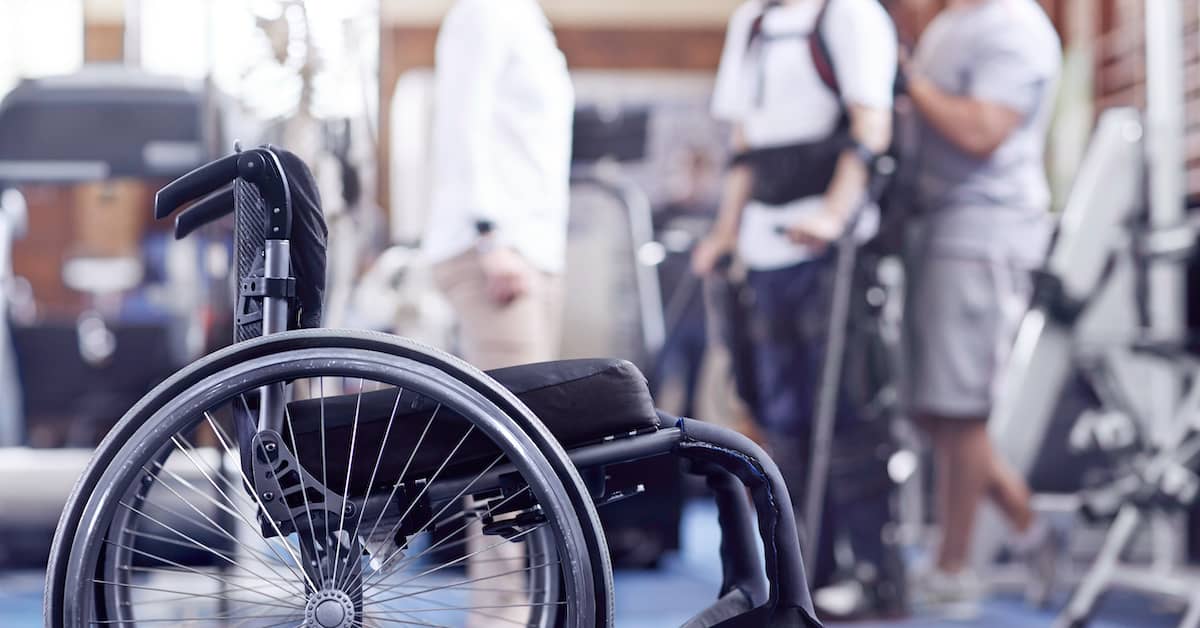
Paraplegia and Loss of Consortium Claims in New Jersey
A spouse’s paraplegia introduces challenging legal questions about the rights of the uninjured partner. A lesser-known aspect of personal injury law, the loss of consortium from paralysis, allows the non-injured spouse to pursue a claim for damages to the marital relationship.
This claim acknowledges that when one spouse suffers a catastrophic injury, the other spouse’s life is also profoundly altered. A lawyer can help you explore your right to file this separate, yet connected, legal action.
Key Takeaways for Loss of Consortium From Paralysis
- The uninjured spouse files a legal action for loss of consortium resulting from paralysis.
- New Jersey law recognizes the right to seek compensation for the loss of companionship, affection, and intimacy.
- This type of claim is derivative, meaning it depends on the success of the injured spouse’s primary personal injury case.
- To file a valid claim, you must have been legally married at the time of the injury.
- Evidence from you, your spouse, family, and friends can help demonstrate the changes in your marital relationship.
Understanding Your Rights After a Spouse’s Paralysis Injury
When your spouse sustains an injury leading to paraplegia, your focus deserves to be on their medical care and recovery. However, as the long-term reality of the situation sets in, you may begin to recognize the substantial impact on your marital relationship.
New Jersey law provides a legal avenue for the uninjured spouse to seek compensation for the harm done to the marital bond.
What Is a Loss of Consortium Claim in New Jersey?
A loss of consortium claim is a civil action that compensates the uninjured spouse for the loss of the benefits of a marital relationship. These are non-economic damages that address the loss of companionship, emotional support, affection, and sexual intimacy.
While no amount of compensation can restore what was lost, a successful claim acknowledges the immense personal toll the injury has taken on the uninjured spouse and the marriage as a whole. The claim is typically filed in conjunction with the injured spouse’s personal injury lawsuit.
Paralysis injuries frequently form the basis for these claims because of their severe and lasting impact on a couple’s life together.
The law recognizes that a catastrophic injury to one person can fundamentally change the dynamics of a marriage, imposing new and unforeseen burdens on the uninjured spouse. These claims address the tangible and intangible losses that follow such a life-altering event.
The Derivative Nature of Your Claim
An important aspect of a loss of consortium claim due to paralysis is its derivative nature. This means your claim is directly linked to your injured spouse’s personal injury case. If your spouse is unsuccessful in proving that another party’s negligence caused their paralysis, you won’t be able to proceed with your loss of consortium claim.
This legal connection necessitates a coordinated legal strategy. Both claims are part of the same lawsuit and are subject to the same timelines. Acting in a timely manner helps to protect your right to pursue compensation for the harm to your marital relationship.
Who Is Eligible To File?
New Jersey law is specific about who may file a loss of consortium claim: the person filing must be the legal spouse of the injured individual at the time the injury occurred.
This requirement means that unmarried partners and fiancés who are not legally married or in a civil union do not have standing to file this type of claim.
This legal standard is in place to provide a clear and definable relationship for the court to consider when evaluating the claimed losses.
Proving Marriage Damages After a Spinal Cord Injury
Demonstrating the impact of a spinal cord injury (SCI) on your marriage is the central challenge in a loss of consortium from paralysis claim. This requires you to present evidence of the changes in your relationship before and after the injury.
You may need to provide personal testimony about the ways your spouse’s paralysis has affected your daily lives and your emotional connection. This can be a personal and challenging process, but it’s necessary to build a strong case.
Types of Evidence Used in Court
A lawyer helps gather a variety of evidence to support a claim for loss of consortium. This evidence helps paint a picture for the jury of the life you shared and the profound ways in which it has changed.
Effective evidence may include the following:
- Personal Testimony: You and your spouse provide crucial testimony about the changes in your relationship.
- Third-Party Statements: Friends, family members, or therapists can offer statements that detail the differences in your marital dynamic before and after the injury.
- Documentary Evidence: Written or visual evidence, such as personal journals, photographs, or videos, can document your shared activities and life before the accident.
Medical and Expert Testimony
Medical records and evaluations help establish the severity and permanence of your spouse’s paralysis. These documents provide the foundation for your claim by establishing a connection between the physical injury and the subsequent loss of consortium.
Psychological or psychiatric evaluations can also detail the emotional and mental impact on both you and your spouse.
In some cases, testimony from therapists or marriage counselors can offer a professional perspective on the challenges your marriage has faced since the injury. This type of expert testimony can provide the court with a more complete view of the relational harm you have experienced.
Quantifying the Intangible Losses
Placing a monetary value on the loss of companionship and intimacy is one of the most complex aspects of a claim for loss of consortium resulting from paralysis. There is no set formula for calculating these damages in New Jersey.
Instead, a jury considers several factors when determining a fair and reasonable award.
These factors may include:
- Relationship Quality: The jury will consider the strength and stability of your marriage before the injury.
- Life Expectancy: The age and life expectancy of both you and your spouse are relevant in assessing the duration of the loss.
- Shared Activities: The extent to which the injury has limited your ability to participate in activities you once enjoyed together is a factor.
- Emotional Impact: The emotional and psychological toll on the uninjured spouse is a significant consideration.
- Household Contributions: The loss of services your spouse provided, such as childcare or household chores, may also be considered.
Navigating the Legal Complexities of a Paralysis Injury
A paralysis injury introduces a host of legal complexities that you and your family may have to address. The spouse’s right to a separate claim is just one piece of a larger legal puzzle. Having legal representation can help you address the various aspects of your situation.
Your spouse’s personal injury claim will seek to recover damages for medical expenses, lost wages, and their own pain and suffering. Your loss of consortium claim runs parallel to this and addresses the distinct harm to your marriage.
How New Jersey Views a Spouse’s Separate Claim
New Jersey law recognizes that a catastrophic injury impacts more than just the person who was physically harmed. The legal system allows for the spouse’s claim as a way of acknowledging the ripple effect of such an injury.
Your claim for loss of consortium from paralysis is a distinct action that seeks compensation for your unique losses. It’s not about placing blame or adding to the burdens your family is already facing, but seeking fair compensation for the very real harm your marriage has sustained.
A successful claim can provide a measure of financial relief and a sense of justice for the uninjured spouse.
The Importance of Coordinated Legal Action
Since your claim is tied to your spouse’s, it’s beneficial to have a single legal team manage both actions. This helps to ensure that your legal strategy is cohesive and that all filing deadlines are met. The statute of limitations in New Jersey for personal injury claims, including loss of consortium, is generally two years from when the accident occured. Missing this deadline can result in losing your right to file a claim altogether.
A coordinated legal effort can prevent this from happening and position your case for the best possible outcome.
How a Lawyer Helps With a Loss of Consortium Claim
Pursuing a claim for loss of consortium from paralysis can be emotionally taxing and legally intricate. A lawyer with experience in catastrophic injury cases can offer valuable guidance and support. They can handle all of the legal details, allowing you to focus on your family.
Here are some ways a lawyer can assist you:
- Claim Evaluation: A lawyer can assess the details of your situation and determine if you have a valid loss of consortium claim.
- Evidence Gathering: They can help you collect the necessary evidence, including medical records, witness statements, and expert testimony, to build a strong case.
- Legal Representation: Your lawyer will represent you in all legal proceedings, from negotiations with insurance companies to courtroom litigation.
- Calculating Damages: They have the experience to help you value the non-economic damages in your claim and advocate for fair compensation.
- Navigating the System: A lawyer understands the procedural rules and deadlines of the New Jersey legal system and can guide you through the process.
Contact a New Jersey Catastrophic Injury Lawyer Today
At Maggiano, DiGirolamo & Lizzi, P.C., our attorneys have experience handling complex personal injury claims throughout New Jersey. We’re prepared to discuss your legal options and help you pursue the compensation you and your family need.
Contact us today through our online form to learn more about how we can help.