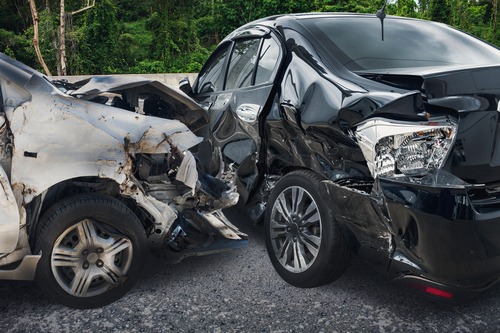


Can I Sue for an Old Injury?
The ability to file a personal injury lawsuit based on an “old” accident and injury usually depends on the state statute of limitations, and other factors of the incident. Statute of limitations, which vary by jurisdiction, establish a time limit for filing a lawsuit. In some cases, if the time limit has already passed, you cannot file a lawsuit seeking financial compensation for your accident-related losses. However, this is the best time to call a personal injury attorney to discuss your case.
If you are within the statute of limitations – even if the accident or occurrence happened several years ago – you can still pursue a lawsuit for compensation. Many statutes of limitation also have exceptions that apply, such as infancy or delayed discovery of a medical condition, that can delay the filing deadline for a period of time.
At other times, accidents aggravate already existing injuries or medical conditions. In those cases, you may still be eligible to recover compensation for exacerbation – or worsening – of a medical condition by filing a lawsuit within the prevailing statute of limitations timeframe.
A knowledgeable Fort Lee personal injury attorney can determine your eligibility for filing a lawsuit depending on your individual circumstances. They can then take the appropriate legal steps on your behalf and pursue the maximum compensation amount that is available to you in your case.
How Injuries Frequently Happen Because of Others’ Negligence
Serious injuries often result from accidents due to others’ negligence, with some of the most common involving car crashes, trucking collisions, premises accidents, construction accidents, motorcycle collisions, and distracted driving crashes. These types of accidents frequently occur due to reckless behavior, failure to follow safety regulations, or a disregard for others’ well-being, leading to devastating consequences for victims.
Car crashes remain one of the leading causes of severe injuries, often resulting from speeding, impaired driving, or failing to obey traffic signals. When drivers act carelessly or irresponsibly, they put others at risk, leading to collisions that can result in life-threatening injuries such as traumatic brain damage, spinal cord injuries, or broken bones.
The danger becomes even greater when large commercial trucks are involved, as trucking accidents tend to be far more destructive due to the sheer size and weight of these vehicles. Negligence in these cases may stem from driver fatigue, overloaded cargo, mechanical failures, or improper training, all of which can lead to deadly highway crashes.
Accidents occurring on unsafe premises also pose significant risks, especially when property owners fail to maintain a safe environment. Slippery floors, poorly lit stairways, or unsecured hazards can cause serious falls, leaving victims with lasting physical harm. Similarly, construction accidents are alarmingly common, as workers often face dangerous conditions due to negligent supervisors, lack of proper safety equipment, or hazardous work environments. Falls from heights, collapsing structures or machinery malfunctions can all result in severe or even fatal injuries, making construction sites one of the most dangerous workplaces.
Motorcycle collisions present another serious danger, often resulting from drivers who fail to notice motorcyclists or violate their right-of-way. Due to the lack of protection motorcycles provide, riders involved in crashes often suffer severe injuries such as road rash, fractures, or traumatic brain injuries.
The risk of accidents increases even further when distracted driving is involved, as many drivers allow their attention to wander by texting, talking on the phone, or engaging in other activities that take their focus off the road. Even a brief moment of distraction can cause a collision with devastating consequences. When negligence leads to such accidents, victims often face long recoveries, permanent disabilities, or even loss of life.
What are the Most Frequent Injuries that Accident Victims Suffer?
Victims of accidents due to others’ negligence can suffer a wide range of injuries, some of which have lasting physical, emotional, and financial consequences. One of the most common injuries is head trauma, which can occur when a person’s head strikes a hard surface during a crash, fall, or impact. Concussions and other traumatic brain injuries can lead to memory problems, dizziness, headaches, and long-term cognitive impairments. In severe cases, brain damage can permanently affect a person’s ability to work, communicate, or perform daily tasks.
Spinal cord injuries are another serious consequence of high-impact accidents, especially in car crashes, truck collisions, and falls. Damage to the spine can cause chronic pain, limited mobility, or even permanent paralysis, depending on the severity of the injury. These types of injuries often require extensive medical treatment, rehabilitation, and long-term care. Similarly, neck and back injuries, such as whiplash, can result from the sudden force of a collision, leaving victims with persistent pain and stiffness that may take months or even years to heal.
Broken bones are also common in accidents involving pedestrians, bicyclists, and vehicle passengers. The force of impact can easily fracture bones in the arms, legs, or ribs, making it difficult for victims to move or return to their normal activities. In some cases, severe fractures require surgery, physical therapy, or the use of medical devices such as crutches or wheelchairs. Soft tissue injuries, including torn ligaments, sprains, and deep bruising, often result from sudden falls or forceful impacts. While these injuries may not always seem serious at first, they can lead to long-term pain and mobility issues if not properly treated.
Internal injuries are another major concern, as damage to organs such as the liver, lungs, or spleen may not be immediately visible but can be life-threatening without proper medical attention. Internal bleeding can develop after blunt force trauma, making it critical for victims to seek medical care even if they do not feel immediate pain. In every type of accident, the risk of severe injury is high, and the recovery process can be long and challenging. Many victims face ongoing medical expenses, lost income, and emotional distress as they work to rebuild their lives after a serious accident.
Legally Demonstrating that You Suffered a Particular Injury in Your Accident
Proving that you suffered a specific injury in an accident requires strong legal and medical evidence. One of the most important steps is seeking ongoing medical attention. A doctor’s evaluation creates an official record of your injuries, which is critical when filing a claim. Medical records include details such as the diagnosis, treatment plan, medications prescribed, and the doctor’s professional opinion on how the injury occurred. If you wait too long to see a doctor, insurance companies or opposing lawyers may argue that your injury did not result from the accident or that it was not serious enough to require treatment.
Medical tests such as X-rays, MRIs, or CT scans can provide clear evidence of injuries like fractures, internal bleeding, or soft tissue damage. These tests serve as objective proof that a specific injury exists. In some cases, doctors may also provide written statements explaining how the injuries are consistent with the type of accident that occurred. Physical therapy records, prescriptions for pain management, and follow-up visits also help demonstrate the ongoing effects of the injury on your daily life.
Eyewitness testimony can further support your claim. If someone saw the accident happen and can confirm that you suffered an injury at the scene, their statement can strengthen your case. Witnesses may include bystanders, passengers, or even emergency responders who treated you after the accident. Surveillance footage, dash cam recordings, or security cameras can also capture the moment of impact and show how the accident led to your injury.
Photographic evidence is another valuable tool. Taking pictures of visible injuries such as cuts, bruises, or swelling right after the accident can provide a timeline of how the injury developed. Keeping a personal injury journal where you document your pain levels, mobility issues, and emotional struggles can also demonstrate the effects of your injury over time.
Expert testimony from medical professionals or accident reconstruction specialists may also play a key role. A doctor can explain how the injury occurred and why it requires specific treatments, while an accident expert can analyze the mechanics of the crash to show how it caused your injuries. Together, these forms of evidence create a strong case that proves that you suffered an injury and that the accident directly caused your suffering.

After thirteen surgeries, multiple procedures and over two months in the ICU, all due to the negligence of one of my doctors, I was referred to Michael Maggiano to pursue a medical malpractice case. I had never been involved in a lawsuit in my life and from the moment I met Michael and his team at Maggiano, DiGirolamo & Lizzi I knew I was in extremely competent hands. Michael is the best lawyer you could imagine – he is intelligent, detail oriented, extremely knowledgeable and passionate about his work and his clients. Michael is a consummate professional and I will forever be impressed by, and indebted to, both him and his team. The entire staff at Maggiano, DiGirolamo & Lizzi is friendly, welcoming and do everything to make their clients comfortable. I would like to specifically thank Linda Reid and Bernadette Elbert who both went above and beyond to make my experience as comfortable as possible, from including me in all detailed correspondence to sending encouraging texts and even giving hugs when needed. Thank you so much to everyone at Maggiano, DiGirolamo & Lizzi – I highly recommend this law firm to anyone looking for a compassionate team to handle a personal injury claim.
I am writing this review on behalf of my mother, Darlene LaVella, who does not have a Facebook. ‘Chris DiGiralamo was an excellent advocate in my negligence case. His confidence, professionalism and kindness made this difficult process easier for my husband and myself. The same for his support team. Marisol Suarez was always there via phone, email or text helping me to navigate the difficulties of Workers Comp in addition to the negligence case and Karen Sanchez, who recommended the firm to me, was invaluable in helping with video & pictures. I thank you all here, publicly, and recommend this firm highly for any legal needs.’
My experience with Maggiano office is incredible. I have been working with Michael’s firm for almost two years now and I always felt that they really cared for their individual client. Personally I loved that Michael would spend the time to get to know me as a person and care about my feelings and well being so he can truly protect me. Him and his firm is super kind and always willing to work with my demanding work schedule. They are very responsive and keep me in the loop of everything. I am very meticulous when it comes to follow up and getting tasks done in timely fashion.. and this firm definitely impressed me (and it is not easy to impress me).
If there is a family member or a friend looking for a law firm, I would recommend this firm in a heart beat.
Thank you very much to Michael and his team (especially Linda and Bernadette).
What are the Ways that an Accident Can Make a Pre-existing Medical Condition or Injury Worse?
Accidents can exacerbate pre-existing medical conditions, making them worse and potentially leading to long-term complications. For example, someone with a prior back injury may experience intensified pain after being involved in a car crash, or a person with arthritis may find that the impact of a fall leads to increased joint pain and stiffness.
The physical trauma of an accident can aggravate conditions like herniated discs, osteoarthritis, or even heart disease, leading to more severe symptoms or complications than the individual was experiencing before. In some cases, an injury from an accident may trigger a flare-up of a chronic condition or cause it to progress more quickly.
Legally proving that an accident exacerbated a pre-existing medical condition involves providing clear and convincing evidence that the injury worsened the condition rather than being unrelated. The first step is to show that the accident victim had a pre-existing medical condition prior to the accident. This can be accomplished through medical records, doctor’s notes, or previous diagnoses that show the condition was present. Having medical documentation that proves the victim was managing their condition before the accident is vital.
Witnesses, including family members or coworkers, may also provide testimony on how the victim’s condition worsened after the accident. They can describe how the person’s ability to work, move, or engage in daily activities has been affected since the incident. Photographs, medical records, and even personal injury journals where the victim records pain levels and other symptoms can also be used to demonstrate the changes resulting from the accident. Additionally, expert testimony from medical professionals who can discuss the relationship between the accident and the pre-existing condition can strengthen the case.
Finally, medical imaging, such as MRIs or X-rays, may be used to show any new damage or aggravation of existing injuries that resulted from the accident. This combination of medical evidence, expert testimony, and personal documentation provides the strongest case for proving that an accident worsened a pre-existing medical condition.
What are the Types of Damages Accident Victims Can Recover Compensation For?
Accident victims can recover compensation in a personal injury claim or lawsuit to cover the physical, emotional, and financial toll of their injuries. The compensation is based on “damages,” (or losses) and they are designed to make the victim whole again as much as possible.
One type of compensable damage is medical expenses. This covers the cost of all necessary medical treatment related to the injury, including hospital bills, surgeries, doctor visits, prescription medications, physical therapy, and any future medical care that may be required. If the accident exacerbates a pre-existing condition, victims can also recover compensation for medical treatments related to the worsening of that condition. For instance, if an accident causes a person’s chronic back pain to intensify, they may be reimbursed for additional treatments, such as more frequent physical therapy or pain management.
Another significant damage is lost income. If the injury prevents the victim from working, they can recover compensation for the income they’ve lost due to their inability to earn a living. This includes not only the income missed during recovery but also any future lost earning potential if the injury affects the victim’s ability to work in the future. For example, if the injury results in a permanent disability that makes it impossible for the victim to return to their previous job, then they can receive compensation for the long-term financial effects.
Pain and suffering is another important damage to claim for compensation. This covers the physical and emotional distress the accident-related injuries caused. It is more subjective than medical expenses or lost income but can be substantial – especially if the injury causes long-term or permanent pain, emotional trauma, or a diminished quality of life. The severity and long-lasting nature of the pain and suffering can be determined through medical testimony and the victim’s personal accounts.
In cases where the victim’s injuries resulted from especially reckless or intentional conduct, punitive damages may also be awarded. These damages are designed to punish the at-fault party (defendant) and deter future misconduct. However, punitive damages are typically only awarded in cases involving gross negligence or malice.
Finally, if the accident aggravated a pre-existing injury, the victim can seek compensation for exacerbating that injury. This includes any additional medical treatment and other costs directly related to the worsening of the pre-existing condition due to the accident. By demonstrating that the accident directly contributed to the worsening of the condition, your trusted personal injury lawyer can fight to recover compensation for both the original and aggravated injuries.
Speak to an Experienced Personal Injury Lawyer About Your Accident-related Injuries Right Away
A knowledgeable personal injury attorney can determine whether your case fits within the applicable statute of limitations – and whether you’re eligible to file a personal injury lawsuit. They can also handle all of the legal steps for you and pursue the maximum compensation that is available in your case, including for exacerbation of a pre-existing medical condition.
Verdicts and Settlements
$1,700,000 - Motor Vehicle Crash
To a 50-year old housewife injured when her car was hit in the rear while stopped a traffic light.
$101,000,000 - Construction Accident
To 20 injured workers and the families of four workers who were killed in the collapse of a parking garage at the Tropicana Casino Resort in 2003. The case involved multiple defendants, including Tropicana and a number of construction contractors. The parking garage collapsed while it was under construction because rebar was not properly installed, leaving the floors disconnected from the walls. As part of the trial…
$2,600,000 - Construction Accident
To widow and child of a deceased dock builder injured during a pile driving operation. Defendant Developer and General Contractor placed blame on employer of deceased worker who could not be sued because of the Worker Compensation Statute that says you can not sue your employer. We proved that even though the employer was negligence, the Developer and GC had to primary duty of safety on the…