
The Fatal Four Construction Hazards and Who’s Liable When They Cause Injuries
When a death happens on a construction site, it’s often due to one of OSHA’s Fatal Four hazards—falls, electrocutions, struck-by incidents, or caught-in/between accidents. In the wake of such an event, untangling the issue of construction accident liability can feel daunting.
Responsibility rarely lies with just one company; it often spreads across a network of property owners, general contractors, and equipment suppliers, each with a duty to maintain a safe worksite. Identifying every negligent party is the key to securing the resources you need to rebuild.
Key Takeaways for Construction Accident Liability
- Determining construction accident liability often extends beyond the direct employer to include third parties like general contractors, property owners, and equipment suppliers.
- Workers’ compensation provides specific benefits but typically prevents you from suing your direct employer for negligence.
- A third-party liability claim allows you to seek compensation for damages not covered by workers’ compensation, such as pain and suffering.
- An experienced attorney investigates the entire worksite and all contracts to uncover every party that contributed to the hazardous conditions.
Understanding the Fatal Four Construction Hazards
OSHA labels four specific dangers as the Fatal Four because they account for the vast majority of deaths in the construction industry year after year. While these hazards are well-known, accidents continue to happen when companies prioritize speed and profit over worker safety.
Falls: The Leading Cause of Construction Fatalities
Falls consistently rank as the number one cause of death and serious injury on construction sites. These incidents often occur on scaffolds, ladders, roofs, and unfinished building levels. Many falls occur because of inadequate or missing fall protection, such as guardrails or personal fall arrest systems.
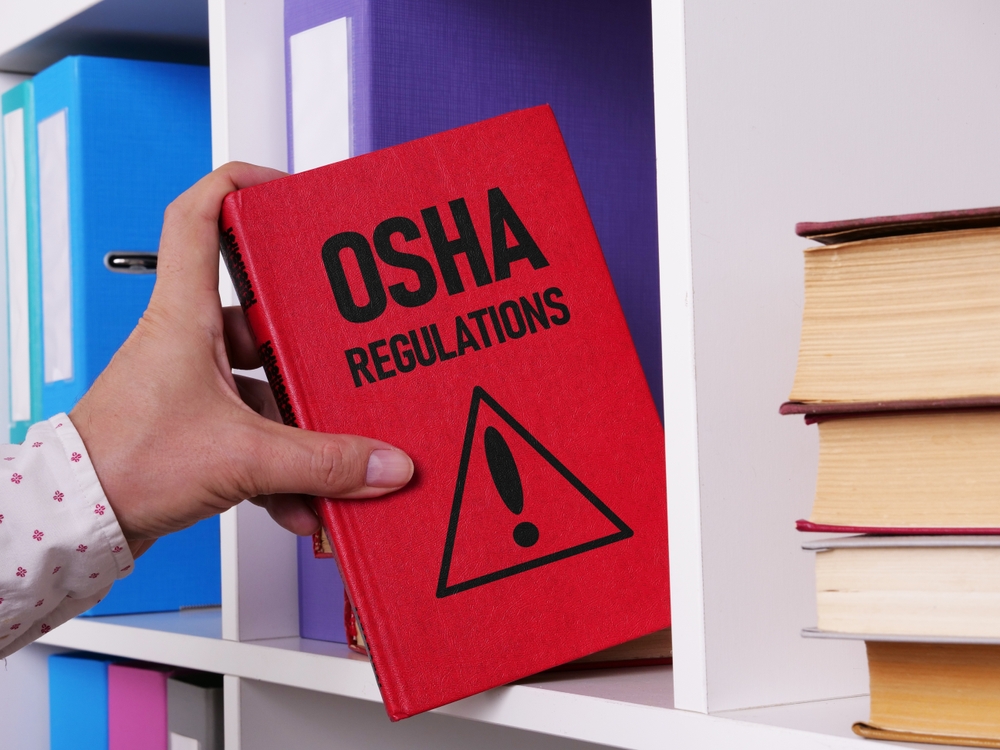
OSHA enforces strict regulations regarding fall protection on construction sites. The rules mandate that protection must be provided at elevations of six feet or more above a lower level.
When contractors fail to supply proper safety equipment or workers receive inadequate training on its use, the potential for a catastrophic fall increases dramatically.
Electrocutions: Hidden Dangers on Every Site
Contact with electrical currents presents a severe risk on all construction sites. Workers may encounter overhead power lines, live circuits in walls, or damaged electrical equipment.
These accidents often happen because safety protocols are ignored, such as failing to de-energize circuits or maintain a safe distance from power lines.
When an electrocution occurs, the investigation may focus on whether the general contractor or property owner properly identified and neutralized electrical dangers before work began.
Struck-By Incidents: The Threat of Moving Objects
A struck-by accident happens when an object or piece of equipment forcibly hits a worker. This category includes a wide range of incidents, from a worker being hit by a falling tool to a vehicle collision on the worksite. Cranes, trucks, and other heavy machinery create a high-risk environment.
When a worker is injured by a moving vehicle, the equipment operator’s training and the company’s traffic control plan come under scrutiny. In cases of falling objects, liability may rest with the subcontractor whose employee dropped the item, especially if they failed to secure their work area.
Caught-In/Between Accidents: A Risk in Tight Spaces
Caught-in or caught-between accidents crush workers between objects. These incidents often occur during excavation work when trench walls collapse or when a worker gets pulled into moving machinery. Heavy equipment rollovers also fall into this category.
Preventing these accidents requires strict adherence to safety protocols for trenching, machine guarding, and equipment operation. When a trench collapses, investigators look at whether the contractor used proper shoring and sloping techniques required by OSHA.
Who Determines Responsibility in a Construction Accident?
After a worksite injury, identifying the responsible parties forms the core of your case, as a single accident often involves multiple layers of liability. A construction accident lawyer investigates every potential defendant to maximize the sources of recovery for your injuries and losses.
Parties who may share construction accident liability include:
- Property Owners and General Contractors: As the highest authority, these parties have a legal duty to ensure site safety. Their responsibilities include hiring skilled subcontractors, setting site-wide safety protocols, and warning of hidden dangers.
- Other Subcontractors: Workers’ comp prevents you from suing your own boss, but you can file a third-party claim against any other subcontractor whose negligence caused your injury.
- Equipment Manufacturers: When an injury results from the failure of a piece of equipment, such as a collapsing scaffold or a malfunctioning power tool, the manufacturer can be held liable.
- Architects and Engineers: An architect or engineer may be held responsible if their flawed blueprints or structural calculations lead to a collapse or other type of failure on the worksite.
Workers’ Compensation vs. Third-Party Liability Claims
When you suffer an injury on a construction site, you generally have two potential avenues for financial recovery. Workers’ compensation is the primary system for addressing workplace injuries.
However, when the negligence of an outside party contributes to the accident, a third-party construction accident liability claim provides an opportunity for more complete compensation.
What Workers’ Compensation Covers
Workers’ compensation is a no-fault insurance system that most New Jersey employers must carry. It provides specific, defined benefits to employees injured on the job, regardless of who caused the accident.
This system provides a way to obtain necessary financial support without requiring proof of negligence in a court of law.
The benefits typically include:
- Medical Treatment: The benefits provide coverage for all necessary and reasonable medical care related to your work injury.
- Temporary Disability: You receive payments to replace a portion of your lost wages while you’re unable to work and recovering from your injuries.
- Permanent Disability: The system provides compensation if your work injury results in a permanent impairment that affects your ability to earn a living.
In exchange for these benefits, you give up the right to sue your direct employer for the injury. This means you cannot seek compensation from your employer for things like pain and suffering.
Exploring Third-Party Claims for Full Recovery
A third-party claim is a personal injury lawsuit filed against a negligent person or company other than your employer. On a busy construction site with multiple contractors and entities working together, many opportunities for third-party negligence exist.
For example, the general contractor, a different subcontractor, an equipment manufacturer, or the property owner could all be potential defendants, highlighting the necessity of pinpointing liability in your construction accident.,
Unlike workers’ compensation, a successful third-party lawsuit allows you to recover a wider range of damages, including:
- All Lost Wages: You may recover the full amount of your past and future lost income, not just a percentage.
- Pain and Suffering: You may seek compensation for the physical pain and emotional distress caused by the injury and its impact on your life.
- Loss of Enjoyment of Life: The lawsuit may include damages for the ways the injury has diminished your ability to participate in activities you once enjoyed.
Filing a third-party claim doesn’t prevent you from receiving workers’ compensation benefits. You can pursue both avenues simultaneously. In fact, the two claims often work together to provide a more complete financial recovery that addresses the full scope of your losses.
Maggiano, DiGirolamo & Lizzi, P.C. has experience with both types of claims and can help you maximize your financial recovery after a construction accident.
Pursuing a Wrongful Death Claim After a Fatal Four Construction Accident
Losing a family member in a workplace accident is a devastating experience. When that death results from another party’s negligence on a construction site, a wrongful death claim provides a way for surviving family members to seek justice and financial stability.
Proving construction fall accident liability in a wrongful death case follows the same principles of negligence as an injury claim, but the focus shifts to the losses suffered by the survivors.
Who Can File a Wrongful Death Lawsuit?
The personal representative of the deceased person’s estate files the lawsuit on behalf of the surviving beneficiaries. These beneficiaries usually include the surviving spouse, children, and parents, who depended on the deceased for financial and emotional support.
Damages in a Wrongful Death Claim
The compensation, or damages, sought in a wrongful death claim cover the specific losses the family has endured due to their loved one’s death. Unlike a personal injury claim, the damages focus on the survivor’s losses rather than the victim’s pain.
Common examples of damages include:
- Loss of Financial Support: This covers the income and benefits the deceased would have provided to the family throughout their lifetime.
- Loss of Companionship and Guidance: This compensates for the loss of the deceased’s care, comfort, advice, and companionship.
- Funeral and Burial Costs: The claim can recover the reasonable expenses for the funeral and burial services that the family paid for.
- Medical Expenses: Any medical bills incurred for the treatment of the deceased between the time of the accident and their death can be included.
Additionally, New Jersey allows families to pursue a survival action. This claim covers the damages the individual personally suffered from the injury until their death. The executor or administrator of the estate files this lawsuit on the deceased’s behalf.
How a Lawyer Helps Identify Construction Accident Liability To Build Your Claim
Facing the legal system after a serious injury can feel like a massive burden, but a construction accident lawyer takes that on for you. They handle every aspect of the legal process, becoming your investigator and strategist so you can focus on your recovery.
A lawyer builds your claim by:
- The Investigation: Your attorney leads an immediate site investigation, interviews witnesses, and legally preserves crucial evidence like safety logs and surveillance footage before it disappears.
- Identifying All Liable Parties: Your lawyer analyzes complex project contracts and site records to identify every potentially liable party, including general contractors, subcontractors, and equipment manufacturers.
- Hiring Necessary Experts: Your attorney can retain and work with necessary experts, such as engineers and safety consultants, to prove negligence and accurately calculate your long-term financial damages.
- Managing All Communications: Your lawyer manages all communication with insurance adjusters and defense attorneys, protecting you from tactics designed to devalue your claim.
- Fighting for Full Compensation: Your legal team documents the full value of your claim, including future medical costs and lost earning capacity, to build a powerful case for a maximum settlement or trial verdict.
FAQ for Construction Accident Liability
What Parties Can I Hold Responsible for a Construction Fall?
Multiple parties may share responsibility, including the property owner, the general contractor for overall site safety failures, other subcontractors whose negligence created a hazard, and even the project’s architects or engineers if a design flaw in the structure or plans contributed to the dangerous condition that caused the fall.
How Does OSHA Affect Construction Accident Liability?
OSHA sets federal safety standards that all employers must follow. While an OSHA violation doesn’t automatically prove liability in a civil lawsuit, it serves as powerful evidence of negligence.
Your attorney can use proof that a company violated an OSHA regulation, such as the rules for fall protection, to show that it failed to provide a safe work environment, strengthening your construction accident claim.
Can I Still File a Lawsuit if I Was Partially at Fault?
Yes, in New Jersey, you can still recover damages even if you were partially at fault for the accident. The state follows a modified comparative negligence rule, which means you can recover compensation as long as your percentage of fault is not greater than 50%.
Your total recovery would then be reduced by your percentage of fault.
Can I Still File a Lawsuit if I’m Receiving Workers’ Compensation Benefits?
Yes, you can still file a third-party claim even if you’re receiving workers’ compensation benefits. A third-party lawsuit allows you to pursue compensation for damages not available through workers’ comp, such as pain and suffering.
How Long Do I Have To Take Legal Action After a Construction Accident?
In New Jersey, you generally have two years from the date of the accident to file a personal injury lawsuit. Contact a construction accident lawyer quickly, as waiting too long can prevent you from ever seeking compensation.
Call Maggiano, DiGirolamo & Lizzi, P.C. Today
Your energy right now belongs with your family and your recovery. The legal challenges ahead require a different kind of strength—the strength of a dedicated legal team fighting for you. By holding all responsible parties accountable, you take a critical step toward reclaiming control of your future.
If you were injured on a construction site, you need answers and a clear plan of action. Contact Maggiano, DiGirolamo & Lizzi, P.C. at (201) 585-9111 to discuss your case and learn how we can help you move forward.