
When the Texting Sender Can Be Liable for Your Accident
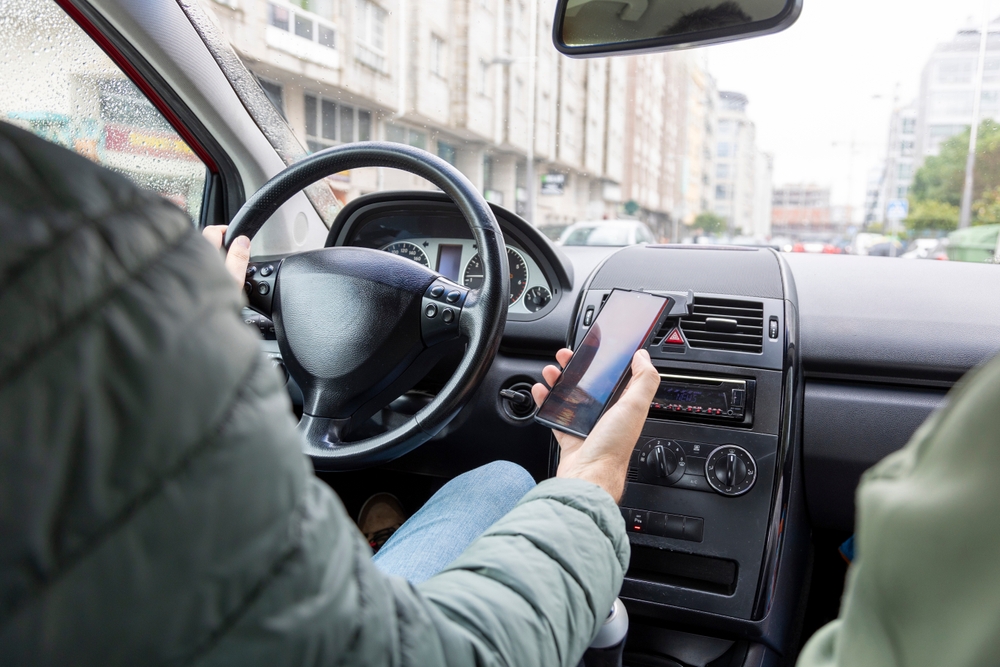
Most people believe only the distracted driver bears responsibility for a crash. A groundbreaking New Jersey Supreme Court decision challenged that notion, opening the door to a new form of accountability known as Kubert v. Best texting liability.
This legal concept recognizes that in certain situations, the person who sends a text can also be held responsible for the devastating consequences of a distracted driving accident. Unpacking the complexities of third-party liability is a critical step in pursuing full compensation for your injuries.
Key Takeaways for Kubert v. Best Texting Liability
- The New Jersey Appellate Division in Kubert v. Best recognized that, under limited circumstances, a remote texter could be held liable for a crash.
- Liability may attach if the sender knew or had special reason to know the recipient was driving and would view the text immediately.
- You must demonstrate that the text message was a substantial factor in causing the accident.
- This principle of third-party liability can extend to employers who text their employees while driving.
- Successfully pursuing a Kubert v. Best texting liability claim requires an in-depth investigation that a lawyer can conduct.
The Landmark Decision: A New Path to Accountability
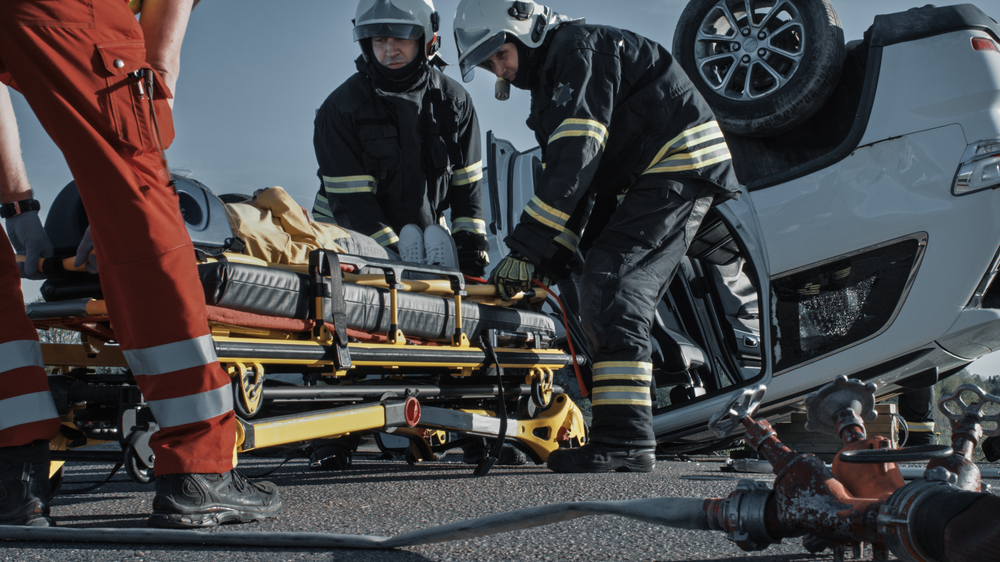
The concept of a texter’s responsibility originates from the case of Kubert v. Best. In this case, a driver crossed the centerline and caused a devastating collision that severely injured a couple riding a motorcycle.
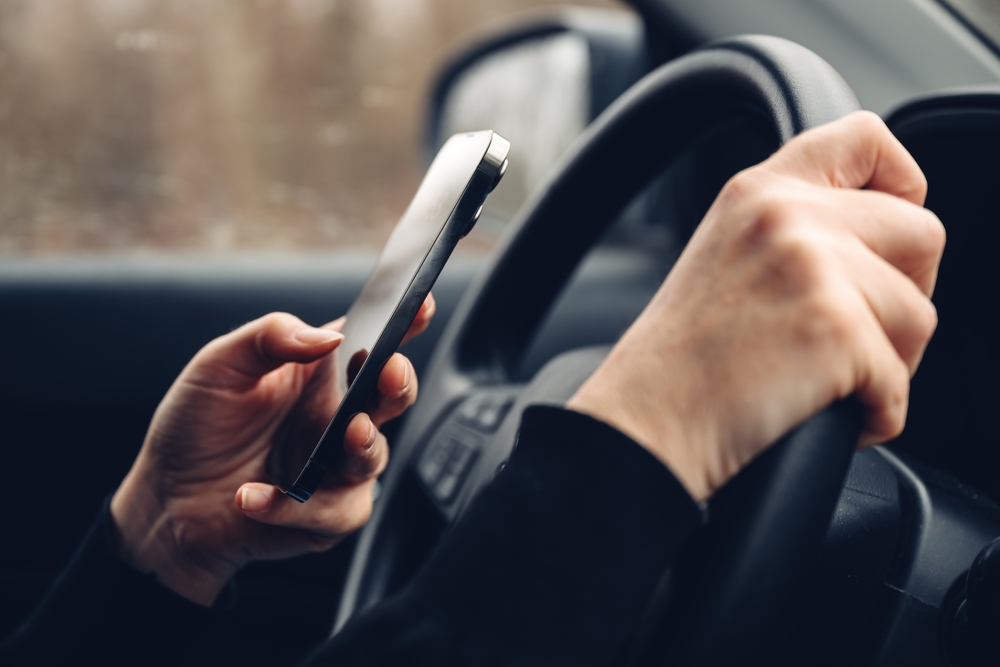
An investigation showed that the driver had been texting shortly before the crash. The injured couple filed a lawsuit not only against the driver but also against the person who sent him the text message.
The New Jersey Appellate Division’s decision in Kubert recognized that a person who sends a text message may have a duty not to text someone they know or have special reason to know is driving.
A sender can face potential liability if they knew the recipient was driving and would likely read the message while operating a vehicle, contributing to the distraction that caused the accident.
This ruling on Kubert texting liability clarified that responsibility for a distracted driving crash doesn’t always end with the person behind the wheel, and opened the door for accident victims to pursue justice against all parties who contributed to their injuries.
What Does a Plaintiff Need To Prove?
Holding a remote texter responsible requires more than simply showing a text was sent before a crash. A successful Kubert texting liability claim hinges on proving a specific set of facts. Your attorney must build a case that clearly demonstrates the sender’s direct role in the driver’s distraction.
This requires a detailed investigation into the circumstances surrounding the communication. It extends beyond the accident scene itself, such as a crash on Route 4, and into the digital history of the parties involved.
Establishing the Sender’s Knowledge
The central pillar of a Kubert texting liability case is the sender’s state of mind. You must show that the person sending the text knew, or had a special reason to know, that the recipient was driving at the time. This knowledge is the key that unlocks their duty to avoid distracting the driver.
An attorney works to uncover evidence that confirms the sender’s awareness of the situation. This investigation often requires a thorough examination of phone records and communication patterns.
A history of texting at similar times of day or conversations that mention driving can help establish this crucial element.
Evidence a lawyer uses to establish knowledge may include:
- Prior Conversations: The text exchange itself or previous messages may reveal that the sender knew the recipient was on the road.
- Timing of the Texts: A long series of rapid-fire texts can suggest an expectation of an immediate reply, regardless of the recipient’s activity.
- Phone Records: Subpoenaed cellular data can show a pattern of communication that establishes the sender’s awareness.
- Witness Depositions: Sworn testimony from the driver or sender can provide direct evidence of what the sender knew.
The Element of Encouragement
Liability often attaches when a text encourages an immediate response. The Kubert texting liability standard considers whether the nature of the message would prompt a driver to take their eyes off the road.
A simple “hello” differs greatly from an urgent question or a message that demands a quick reply. The sender effectively participates in the driver’s negligence when they create a sense of urgency.
An analysis of the conversation’s tone and content helps determine if the texter’s message was a substantial factor in the driver’s decision to get distracted. Your lawyer scrutinizes the text exchange to see if it pressured the driver to act unsafely.
A Direct Link to the Crash
Finally, a plaintiff must draw a clear line from the text message to the accident itself. The distraction caused by the text must be a proximate cause of the crash. This involves connecting the timing of the text with the moment of driver error.
A lawyer works to piece together a timeline using police reports, witness statements, and electronic data. For instance, showing that a driver received a text at 1:15 PM and the 911 call reporting the crash came in at 1:16 PM creates a powerful link.
Exploring Liability Beyond a Personal Friend
The principles of Kubert texting liability aren’t confined to friends or family members. The legal reasoning may apply to various relationships, significantly broadening the scope of potential accountability.
Any third party who knowingly and actively distracts a driver can potentially face a lawsuit, including in professional contexts, where the expectation of a quick response can be high.
The core question remains the same. Did the sender know the recipient was driving and, despite that knowledge, send a message likely to cause an immediate distraction?
While the Kubert reasoning could extend to employers or other third parties, no New Jersey court has yet applied this principle directly in a professional texting context.
Employer Liability for Employee Texting and Driving
A significant expansion of Kubert texting liability involves the workplace. An employer can be held responsible if they text an employee while knowing that the employee is on the road for work-related duties. This creates a powerful incentive for companies to implement and enforce strict policies against distracted driving.
Employer liability often falls under a legal doctrine known as respondeat superior, which holds an employer responsible for the actions of an employee performing their job.
If a supervisor texts a delivery driver with a new instruction, knowing the driver is on their route, the company may share liability for any resulting crash. An attorney can investigate whether the employer’s actions or policies contributed to the accident.
Situations that may create employer liability include:
- Requiring Immediate Responses: The employer’s policies or a manager’s behavior creates a culture where employees feel they must answer texts and calls immediately.
- In-Transit Communication: A dispatcher or manager actively contacts employees on the road as a standard part of business operations.
- Lack of Clear Policies: The company has no rules or fails to enforce existing rules that prohibit employees from texting while driving for work.
- Providing a Company Phone: An employer who provides a cell phone without strict usage policies may also increase their exposure to liability.
Texts From Business Associates and Clients
The same logic of Kubert texting liability can apply to other professional relationships. A client who demands an immediate answer from a contractor driving to a job site may bear some responsibility.
A colleague who sends a time-sensitive work question to another employee they know is commuting home could also be implicated. In each scenario, the facts matter. The strength of the case depends on proving the sender’s knowledge of the driver’s activity and the distracting nature of the text.
Identifying Every Responsible Party in Your Texting and Driving Accident
After a serious car accident, your primary concern is healing. However, the financial pressures can quickly become immense. You need a thorough investigation to identify every individual or entity whose actions contributed to your injuries, highlighting the need for legal assistance.
Your lawyer looks at all potential angles to construct a complete picture of fault; common parties who may bear responsibility in a distracted driving accident include:
- The Distracted Driver: The operator of the vehicle remains the primary defendant in almost all accident claims.
- The Remote Texter: Based on the principles of Kubert texting liability, the sender of the distracting message may be a second defendant.
- The Driver’s Employer: If the driver was working at the time of the crash, their employer could be vicariously liable for their negligence.
- Vehicle Owner: A person who owns the vehicle and allows a known reckless driver to use it might also face a claim for negligent entrustment.
How a Lawyer Helps Your Texting and Driving Accident Claim
Proving a driver’s distraction was the direct cause of your accident requires sophisticated legal and investigative techniques. An experienced attorney manages the entire legal process, from evidence collection to settlement negotiations.
Your lawyer acts as your advocate, working to uncover the full truth and hold all responsible parties accountable. They handle the complexities of gathering electronic data and building a persuasive legal argument on your behalf.
Here is how a lawyer strengthens your claim:
- Evidence Preservation: Your lawyer immediately sends a legal notice to the at-fault driver, demanding they preserve their cell phone and all electronic records as critical evidence.
- Subpoenaing Records: An attorney can leverage their legal authority to obtain phone and data records from cellular carriers, establishing a clear timeline of the driver’s activity leading up to the crash.
- Conducting Depositions: Your lawyer questions the distracted driver and other witnesses under oath to get direct testimony about their actions and state of mind before the accident.
- Identifying All Liable Parties: Your attorney analyzes all the facts to determine if other parties, such as a remote texter, share fault for the collision.
- Calculating Your Damages: A legal team works to document the full extent of your financial and non-economic losses to build a comprehensive claim for compensation.
- Negotiating With Insurers: Your lawyer handles all communications with insurance companies, protecting you from tactics designed to minimize your settlement.
FAQ for Kubert v. Best Texting Liability
Can I Sue Someone for Texting a Driver Who Hit Me?
Yes, in New Jersey, the Kubert v. Best texting liability decision allows you to sue the person who texted the at-fault driver. To succeed, you must prove the sender knew the recipient was driving and sent a text that was a substantial factor in causing the crash.
These cases are complex and require a detailed investigation to prove.
What Kind of Evidence Proves the Texter Knew the Driver Was Driving?
An attorney uses several types of evidence to prove the sender’s knowledge. This can include the content of the text message chain itself, the history of communication between the parties, GPS data, and sworn testimony from the driver and the sender obtained during depositions.
Does the Content of the Text Message Matter in a Claim?
The content and context of the text message are very important. A message that creates urgency or demands an immediate reply is more likely to support a claim of liability than a casual or non-time-sensitive text.
The analysis focuses on whether the message encouraged the driver to divert their attention from the road.
How Does New Jersey’s Comparative Negligence Law Affect My Case?
New Jersey follows a modified comparative negligence rule. An insurer or a court,assigns a percentage of fault to each party, including the distracted driver and the remote texter.
Your percentage of fault reduces your total compensation, and you cannot recover damages if your fault is greater than the fault of the other parties.
What Makes a Kubert v. Best Texting Liability Case Different from a Standard Car Accident Claim?
A Kubert v. Best texting liability case adds a layer of complexity by introducing a third-party defendant. Unlike a standard claim that focuses only on the driver’s actions, this type of case requires proving the remote texter’s knowledge and their role in encouraging the driver’s negligence through a detailed investigation of electronic communications.
Your Future After the Accident
Recovering from a serious accident is about more than just healing your physical injuries; it’s about rebuilding your sense of security and control. The legal action you take today isn’t about looking backward at what happened, but a tool you can use to secure the resources necessary to protect your future.
If you were injured in an accident caused by a texting driver, call Maggiano, DiGirolamo & Lizzi, P.C. at (201) 585-9111 for a free consultation.