
Who Is Responsible in a Multi-Vehicle Truck Crash?
After a multi-car pile-up involving a large commercial truck, one question rises above all the noise: Who is actually responsible?
It’s a fair question, and the answer is almost never simple. Unlike a typical two-car collision, determining fault in a multi-vehicle truck crash isn’t just about the actions of the drivers. It’s a complex chain reaction where legal responsibility can extend to the powerful trucking company that owns the rig, the crew that loaded its cargo, or even the manufacturer of a faulty part.
If you’ve been caught in a wreck like this on one of our local roads—from the highways around Hackensack and the Bronx to the streets of Fort Lee—understanding this complex web of liability is the first and most critical step toward protecting your rights.
The Chain Reaction: Why It’s Not Just One Driver’s Fault
Imagine dropping a single stone into a calm pond. The ripples spread outward, affecting everything in their path. A multi-vehicle truck crash is like that, but infinitely more destructive. The initial mistake—the first “stone”—sets off a chain reaction that is often impossible to fully grasp from the driver’s seat.
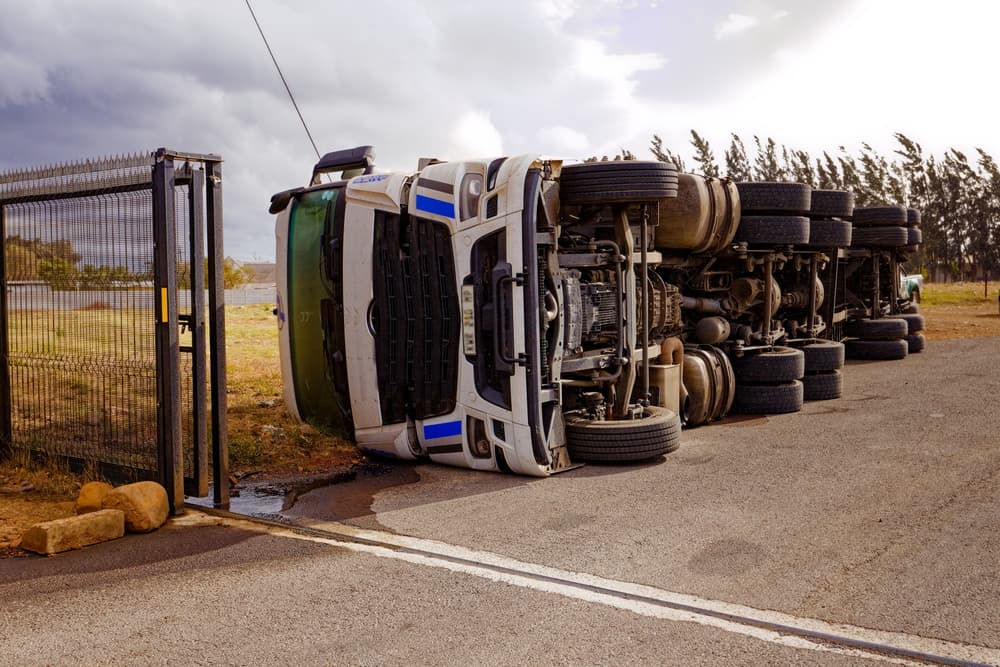
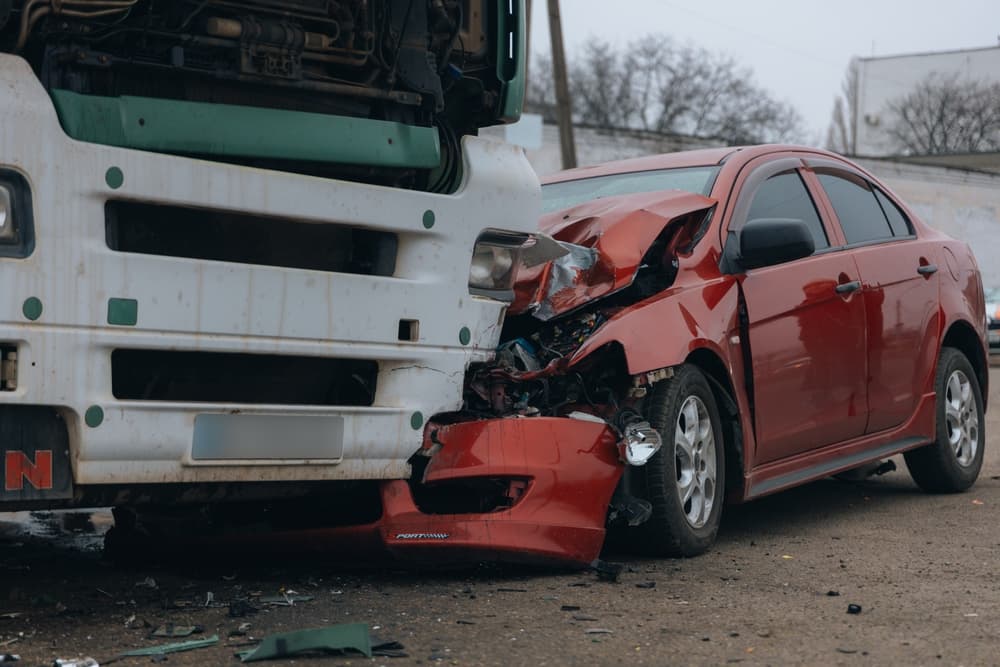
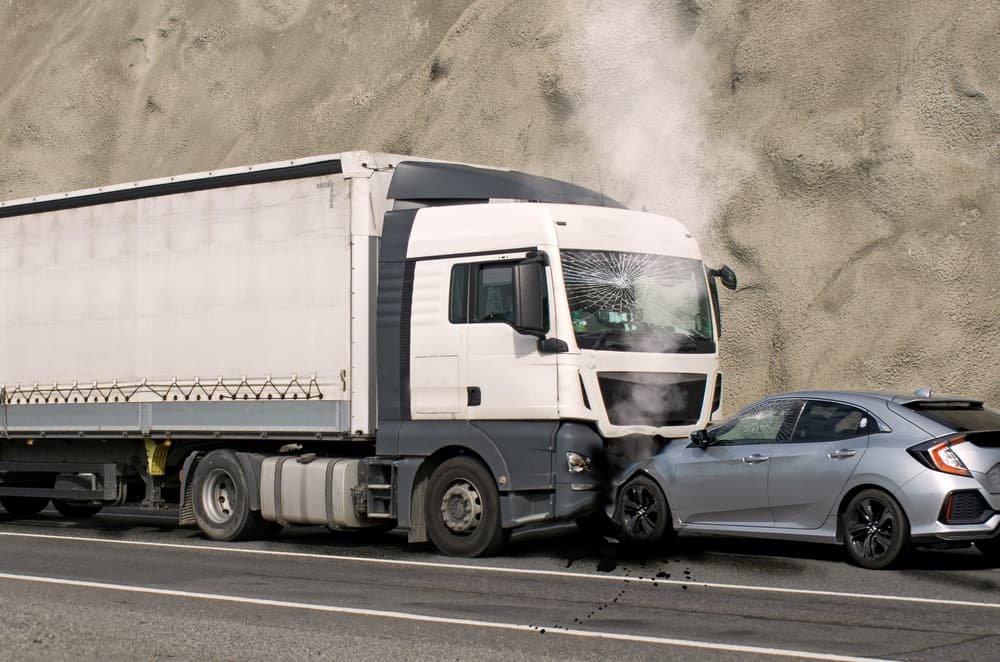
Perhaps a truck driver, trying to make an aggressive lane change, clips a smaller car. That car then spins out of control, hitting another vehicle, which then rear-ends the car in front of it. Or maybe a passenger car cuts off a semi-truck, forcing the truck driver to slam on their brakes. The truck jackknifes, its trailer swinging across multiple lanes of traffic and creating an impassable wall of metal that other drivers have no time to avoid.
In these scenarios, the blame is rarely clear-cut. The police report filed at the scene is an important first step, but it is often just a preliminary snapshot. It may not capture the full story of what led to the crash. The officer on the scene is managing a crisis, clearing the road, and getting injured people help; they may not have the time or resources to conduct a full-scale investigation right then and there.
This is where the legal concept of comparative negligence comes into play. In states like New Jersey and New York, the law recognizes that more than one person or entity can share the blame for an accident. A jury might find that the truck driver was 60% at fault, one car driver was 30% at fault, and another was 10% at fault. Understanding this is critical because it means we must look far beyond the drivers involved to find every party that contributed to the harm you suffered.
Potential Parties in a Multi-Vehicle Truck Accident
In a multi-vehicle truck crash, the list of potentially responsible parties is much longer than you might think. Identifying all of them is one of the most important steps toward ensuring you are fully and fairly compensated for your losses. Let’s explore who they might be.
The Truck Driver
The person behind the wheel is the most obvious starting point. Commercial truck drivers are held to a higher standard than regular drivers and must have a Commercial Driver’s License (CDL). Their negligence can take many forms:
- Driver Fatigue: Federal laws called Hours-of-Service regulations dictate how long a driver can be on the road without taking a mandatory rest break. Many drivers are pressured by their companies to meet tight deadlines, leading them to drive while exhausted. A tired driver has slower reaction times, impaired judgment, and can even fall asleep at the wheel.
- Distracted Driving: Texting, talking on a handheld phone, adjusting a GPS, or even eating can be deadly when piloting an 80,000-pound vehicle.
- Speeding or Driving Too Fast for Conditions: Trucks require a much longer distance to stop than cars. Driving too fast, especially in rain, snow, or heavy traffic, is a recipe for disaster.
- Driving Under the Influence (DUI): While less common, drivers operating under the influence of alcohol or drugs are a catastrophic risk.
- Improper Training or Inexperience: A driver who hasn’t been properly trained on how to handle a specific type of truck or how to navigate challenging road conditions can easily lose control.
The Trucking Company (Motor Carrier)
This is a critical piece of the puzzle that victims often overlook. The trucking company (also called a motor carrier) is not just an innocent bystander. They have a direct responsibility for the trucks and drivers they put on our roads. Their negligence can be just as damaging as the driver’s.
- Vicarious Liability: In most cases, an employer is legally responsible for the negligent actions of its employees while they are on the job. So, if the driver was at fault, the company is also considered at fault.
- Negligent Hiring: Did the company hire a driver with a known history of reckless driving, DUIs, or previous accidents? A proper background check should have revealed these red flags.
- Inadequate Training: Did the company fail to provide sufficient training to its drivers on safety procedures, vehicle inspections, or defensive driving techniques?
- Pressure to Violate Safety Rules: Some companies create a culture where drivers are implicitly or explicitly encouraged to break Hours-of-Service rules to deliver loads faster. This prioritizes profits over the safety of everyone on the road.
- Poor Maintenance: The company is responsible for ensuring its fleet of trucks is safe and properly maintained. If the crash was caused by faulty brakes or a bald tire, the company’s failure to maintain the vehicle is a direct cause of the accident.
The Manufacturer of the Truck or Its Parts
Sometimes, the driver and the trucking company did everything right, but the vehicle itself failed. This opens up a product liability claim against the manufacturer of the truck or one of its specific components. Examples include:
- Brake Failure: A design or manufacturing defect in the braking system.
- Tire Blowouts: A defectively made tire that comes apart at high speed.
- Steering or Suspension Failure: A critical part that breaks, causing the driver to lose control.
- Coupling Failures: The mechanism that connects the tractor to the trailer fails, causing the trailer to detach.
In these cases, an investigation may need to trace the problem back to the factory where the part was made.
The Cargo Shipper or Loader
This is another party that is often invisible at the scene of the crash. The company that loaded the freight into the trailer has a legal duty to do so safely. An improperly loaded truck is dangerously unstable.
- Overloading: A truck that exceeds the legal weight limits is harder to stop and can put immense strain on its brakes and tires.
- Improperly Secured Cargo: If the cargo inside the trailer is not properly tied down and balanced, it can shift suddenly during a turn or a quick stop. This sudden change in the center of gravity can cause the driver to lose control and the truck to roll over or jackknife.
Other Drivers on the Road
In a pile-up, it’s entirely possible that the initial event was caused by the driver of another passenger vehicle. A car that makes an unsafe lane change in front of a truck, cuts it off, or brakes suddenly can create a no-win situation for even the most skilled truck driver. While your collision may have been with the truck, the actions of another driver may have been the true starting point of the chain reaction.
A Government Entity
In some cases, the condition of the road itself can be a major contributing factor. A local, state, or federal government entity may be held responsible for:
- Poor Road Design: A dangerously sharp curve, a blind intersection, or an on-ramp that doesn’t provide enough room to merge safely.
- Failure to Maintain the Road: Large, deep potholes or other road damage that can cause a driver to lose control.
- Malfunctioning Traffic Signals or missing/obscured road signs.
- Poor Lighting in a known high-accident area.
Bringing a claim against a government entity involves very specific rules and much shorter deadlines, making it crucial to identify this possibility early on.
The Evidence Tells the Story: Why You Must Act Quickly
As you can see, the list of potential defendants is long and complex. Insurance companies for the trucking industry know this. They will have their own investigators and lawyers on the scene within hours, working to control the narrative and minimize their own financial liability. Their goal is not to help you; their goal is to protect their client and their bottom line.
This is why preserving evidence immediately is so critical. The story of what really happened is told through the evidence, and much of that evidence can disappear quickly.
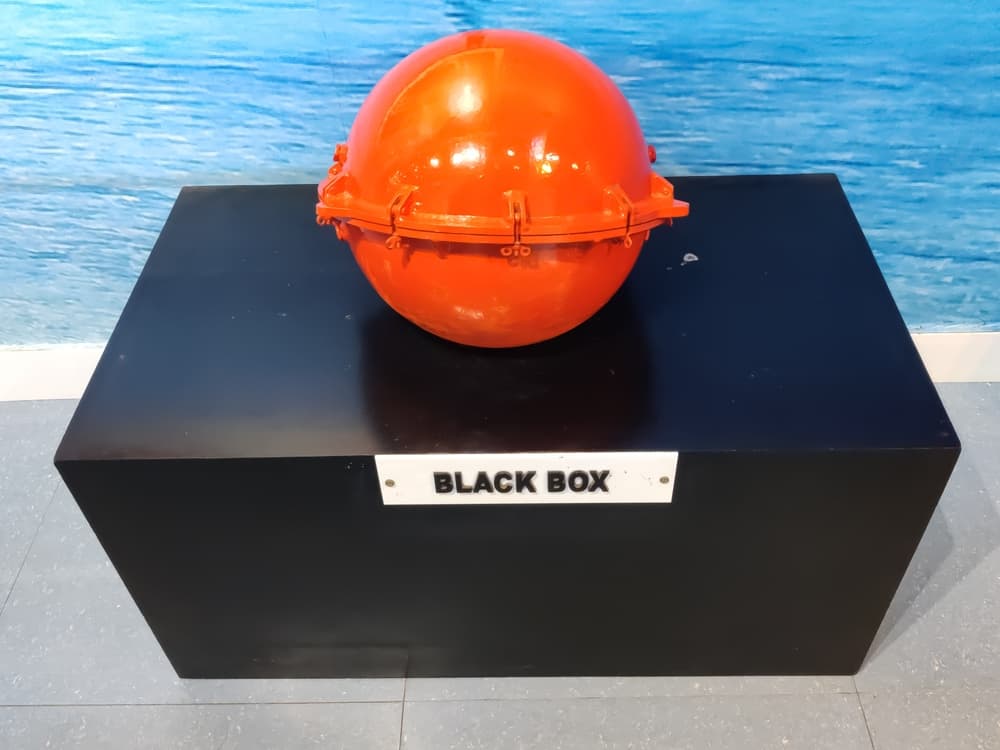
- The Truck’s “Black Box”: Most modern commercial trucks are equipped with an Electronic Data Recorder (EDR). This device records crucial data about the truck’s operation in the seconds before and during a crash, such as its speed, whether the brakes were applied, steering inputs, and more. This data is invaluable, but trucking companies have been known to “lose” or wipe it. A legal letter, called a spoliation letter, must be sent immediately to demand that they preserve this data.
- Driver’s Logs: These logs, whether electronic or paper, show whether the driver was complying with Hours-of-Service rules.
- Maintenance Records: These records from the trucking company can show a pattern of neglect or a failure to fix known problems with the vehicle.
- Photos and Videos: Any photos or videos you or other witnesses took at the scene are incredibly helpful. It’s also important to look for nearby security cameras or traffic cams that may have captured the crash.
- Witness Statements: Getting contact information for anyone who saw what happened is vital. Their perspective can help piece together the sequence of events.
- Accident Reconstruction Experts: In complex cases, it is often necessary to hire independent engineers and accident reconstruction specialists. These experts can analyze the physical evidence, vehicle data, and witness statements to create a scientific model of how the crash occurred, proving who was truly at fault.
Our Dedicated New York Truck Accident Lawyers Are Here for You
Untangling the web of responsibility in a multi-vehicle truck crash is not something anyone should have to do while trying to recover from serious injuries. The details we’ve just described—identifying every liable party, preserving critical evidence, and fighting back against billion-dollar insurance companies—can feel impossible to manage on your own. This is where having a dedicated, experienced, and compassionate legal team in your corner makes all the difference.

At Maggiano, DiGirolamo & Lizzi, P.C., we have built our firm on a simple but powerful principle: we represent the person next door. For decades, our attorneys have been serving communities from our offices in Fort Lee and Hackensack, New Jersey, and the Bronx, New York. We understand that justice isn’t just an abstract concept; it’s about getting real, tangible results for people whose lives have been shattered by someone else’s negligence.
We stand in your shoes, we learn your story, and we fight to ensure you are heard and compensated for everything you have lost. Because we work on a contingency fee basis, we don’t get paid unless we win your case. There is no case too challenging and no case too small.
If you or a loved one has been injured in a multi-vehicle truck crash, please do not try to navigate this journey alone. Contact us at (201) 585-9111 or through our online form for a free, no-obligation consultation to learn about your rights. Let us stand with you, fight for you, and help you find the justice you deserve.