
Traumatic Brain Injuries From Car Accidents in Hackensack: Why Bergen County TBI Claims Require Specialized Legal Representation
Insurance adjusters move fast after a car accident. When the injury is a broken leg, the evidence is clear. When it is a traumatic brain injury, the evidence is harder to see, and that is exactly what insurers count on.
Cognitive deficits do not show up on standard X-rays. Personality changes do not produce a tidy medical bill. In Bergen County, where crashes concentrate on Route 17, Route 4, and the Garden State Parkway, TBI victims often receive lowball settlement offers before they fully understand what has changed in their own lives.
Key Takeaways
- New Jersey law gives most car accident injury victims two years from the date of the accident to file a personal injury claim under the statute of limitations.
- Under N.J.S.A. 2A:15-5.1, New Jersey’s modified comparative negligence rule bars recovery entirely if a plaintiff bears more than 50% of fault for the accident.
- Traumatic brain injuries from car accidents in Hackensack frequently go undervalued in early settlement offers because cognitive and behavioral changes are difficult to quantify quickly.
- Bergen County TBI claims are filed in the Superior Court of New Jersey, Bergen Vicinage, located in Hackensack, a court with specific procedural expectations around specialist testimony and medical documentation.
- A TBI claim covers not only current medical costs but future rehabilitation, lost earning capacity, and non-economic damages, including pain and suffering.
Why Traumatic Brain Injury Claims From Car Accidents Are Different From Other Injury Cases
A broken bone heals on a predictable timeline. A traumatic brain injury does not. The brain’s recovery is nonlinear, highly individual, and resistant to the kind of clean narrative that insurance companies prefer. That unpredictability creates a specific legal problem: the full scope of a Bergen County TBI victim’s losses often takes months to become clear, but pressure to settle begins almost immediately.
How TBI Severity Gets Misclassified After a Crash
Emergency room assessments after a Hackensack car accident focus on immediate life threats. A patient who is alert, oriented, and discharged the same day may receive documentation that describes a “mild” head injury.
That early label can follow the claim through the entire legal process, even when cognitive and behavioral changes later strain work performance and relationships.
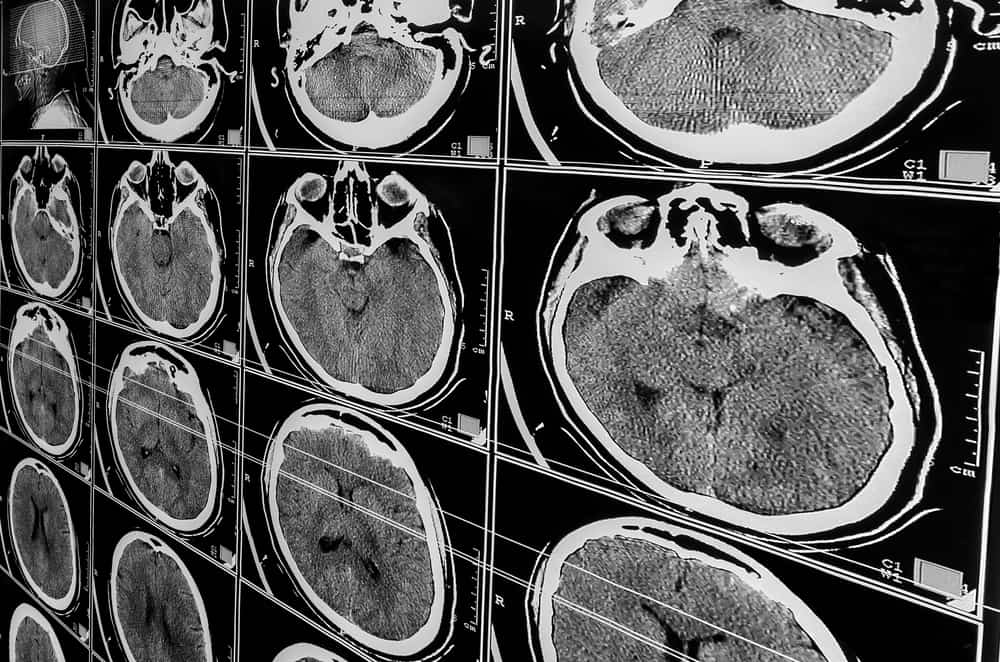
Neuropsychological testing conducted weeks or months after the accident tells a more complete story. We work with specialists who understand how to document the gap between what an initial ER note says and what a full cognitive evaluation reveals.
What Makes Bergen County Crash Patterns Particularly Relevant
Bergen County’s road network funnels enormous commuter volume through a relatively concentrated set of corridors. Route 17 sees multi-vehicle collisions regularly, including notable chain-reaction crashes in Hasbrouck Heights. Route 4 carries dense commercial traffic through Hackensack and surrounding municipalities. The Garden State Parkway creates high-speed merging conditions near its exit ramps.
In contrast to lower-speed residential crashes, high-speed highway impacts produce rotational and deceleration forces that are among the most common mechanical causes of traumatic brain injury. A car accident attorney familiar with Bergen County’s specific crash patterns can connect the biomechanics of a particular collision to the type and severity of brain injury documented in the client’s records.

How New Jersey Law Applies to TBI Claims Filed in Hackensack
The Two-Year Filing Deadline and Why It Matters More in TBI Cases
New Jersey’s statute of limitations for personal injury claims is two years from the date of the accident. For TBI victims, this deadline creates a specific tension. The injury may not fully manifest until well after the crash, and the legal clock starts running from the date of the accident, not from the date of diagnosis in most circumstances.
Specifically, New Jersey law does recognize a “discovery rule” exception. When a plaintiff could not have reasonably discovered the connection between the accident and the injury within the standard limitations period, courts may toll the deadline. However, this exception requires careful documentation and is not automatic. We build that paper trail from the first client meeting.
New Jersey’s Modified Comparative Negligence Rule Under N.J.S.A. 2A:15-5.1
New Jersey operates under a modified comparative fault system. Plaintiffs who bear 50% or less of the fault for the accident can still recover damages, reduced proportionally by their share of fault. A plaintiff found to be 51% or more at fault recovers nothing.
New Jersey law allows TBI victims to pursue non-economic damages, including pain and suffering, loss of enjoyment of life, and loss of consortium.
These categories are where legal representation produces the most significant difference in outcome. Medical records do not tell juries what it means to lose the ability to remember your children’s conversations or to function in a professional setting.
Where Bergen County TBI Cases Actually Get Filed
Most serious car accident injury claims in Bergen County proceed through the Superior Court of New Jersey, Bergen Vicinage, located in Hackensack. The Bergen Vicinage has established expectations around the use of specialist medical testimony, the presentation of neuropsychological evaluations, and the handling of independent medical examinations ordered by the defense.
Defense attorneys in Bergen County TBI cases frequently retain their own neurologists to conduct independent medical examinations. Those examinations are often brief and produced for the purpose of minimizing the claim’s value. A lawyer who regularly litigates in the Bergen Vicinage understands the specific defense tactics used in this jurisdiction and builds the case accordingly.
What a Bergen County TBI Claim Actually Covers
Economic Damages: Beyond the Emergency Room Bill
The initial hospital bill after a Hackensack car accident is only the starting point of TBI-related economic damages. Many traumatic brain injury victims require extended outpatient rehabilitation and specialized therapeutic programs. Some require in-home care during recovery periods.
Lost income represents another major category. Step 1 in calculating that loss is identifying the plaintiff’s baseline earning capacity before the injury. Step 2 is documenting how the cognitive effects of the TBI have altered their ability to perform their specific job functions. A Bergen County attorney familiar with TBI claims will retain vocational rehabilitation specialists and economists to quantify those losses across a projected career timeline.
Non-Economic Damages: The Losses That Don’t Come With a Receipt
New Jersey law allows TBI victims to pursue non-economic damages, including pain and suffering, loss of enjoyment of life, and loss of consortium. These categories are where skilled legal representation produces the most significant difference in outcome.
Specifically, the presentation of non-economic damages requires a narrative. Medical records do not tell juries what it means to lose the ability to remember your children’s conversations or to control your emotions in a professional setting.
We build that narrative through client interviews, family testimony, and the documentation of functional changes over time. In the Bergen Vicinage, juries respond to specific and credible evidence, not generalized claims about suffering.

Ask Maggiano DiGirolamo & Lizzi
Can I still file a TBI claim if I was partly at fault for the Hackensack crash?
Yes, provided your share of fault does not exceed 50%. New Jersey’s modified comparative negligence rule under N.J.S.A. 2A:15-5.2 allows recovery when the plaintiff’s fault is at or below 50%, though the recovery amount is reduced proportionally. We analyze the accident report, witness statements, and available surveillance to build the strongest possible fault allocation argument on your behalf.
What if I didn’t realize I had a brain injury until weeks after the accident?
The standard filing deadline runs from the date of the accident, not the date of diagnosis. In situations where the injury was not reasonably discoverable at the time of the crash, New Jersey courts may apply the discovery rule to extend the limitations period. Whether that exception applies to your situation depends on the specific facts. Contact us as early as possible so we can protect your options.
How does the defense use an independent medical examination in Bergen County TBI cases?
Defense teams routinely request independent medical examinations, typically conducted by physicians they retain and compensate. These exams tend to be brief and are designed to produce documentation that minimizes the severity of the claimed injury. We prepare our clients for those exams thoroughly and work with our own retained specialists to rebut findings that do not reflect the full clinical picture.
How Do You Protect Your Rights After a Traumatic Brain Injury in a Bergen County Crash?
Building a strong traumatic brain injury claim from a Hackensack car accident requires early and consistent action. Consider the following steps:
Seek neurological evaluation as soon as you notice changes, even if the initial ER assessment described the injury as mild. Many TBI victims in Bergen County first notice cognitive or behavioral changes days after discharge; those changes need to be documented by a specialist, not just noted in a follow-up visit.
Keep a daily journal documenting functional changes. A written record of cognitive and behavioral changes, work performance impacts, and day-to-day functional limitations creates contemporaneous evidence that no defense team can easily dismiss.
Avoid giving recorded statements to the at-fault driver’s insurance company before consulting a lawyer. Early recorded statements in TBI cases often capture a victim before the full scope of the injury is clear, and insurers use those statements to argue that the injury is less severe than later claimed.
Many claimants find it helpful to document the functional impact of the injury in work and home settings, emails from supervisors noting performance changes, or written accounts from family members describing behavioral shifts, which carry real evidentiary weight in Bergen County TBI litigation.
Traumatic Brain Injury Questions Answered by Our Hackensack Car Accident Attorneys
Does New Jersey's no-fault insurance system affect my TBI claim?
New Jersey requires drivers to carry personal injury protection coverage, which pays initial medical expenses regardless of fault. Serious injuries, including traumatic brain injuries, typically meet the threshold to step outside the no-fault system and file a direct claim against the at-fault driver. An attorney can confirm whether your injury qualifies.
What happens if the at-fault driver does not have enough insurance to cover my damages?
When the at-fault driver’s policy limits fall short of your total losses, your own underinsured motorist coverage becomes the next available source of recovery. We review every applicable insurance policy, the at-fault driver’s, your own, and any umbrella policies, before advising on your full range of options.
How long does a Bergen County TBI claim typically take to resolve?
Resolution timelines depend on injury severity, the complexity of the liability dispute, and scheduling in the Bergen Vicinage. Claims that settle without trial often resolve within one to two years. Cases that proceed to verdict take longer. We do not recommend settling before the full scope of your injury is documented.
Can I still pursue a TBI claim if I did not go to the emergency room after the crash?
Delaying or skipping emergency treatment is common in TBI cases because symptoms may not appear immediately. A treatment gap can complicate a claim but does not automatically bar recovery. Prompt neurological evaluation after symptoms appear, combined with documentation explaining the delay, helps preserve the evidentiary record.
What is loss of consortium and does it apply to a Bergen County TBI claim?
Loss of consortium refers to the impact a traumatic brain injury has on a marital relationship, including lost companionship and the ability to maintain normal family life. New Jersey law allows TBI victims and their spouses to pursue this category of non-economic damages as part of a personal injury claim.
What Your Next Step Actually Looks Like
A free consultation with our Hackensack car accident attorneys is a working conversation. We review what you know about the crash, the medical documentation you have so far, and the timeline relevant to your claim. We tell you honestly where we see the case’s strengths and complications, and we explain exactly what the process looks like from here.
Maggiano DiGirolamo & Lizzi handles Bergen County TBI claims on contingency; we collect no fee unless we recover on your behalf. We also offer services in both English and Spanish. Call us at (201) 585-9111 or reach out online to schedule your consultation.