When you place a parent or grandparent in a nursing home, you hand strangers the job of keeping them safe. If those strangers failed, a Bronx nursing home abuse lawyer at Maggiano, DiGirolamo & Lizzi, P.C. can help your family uncover what happened and use New York’s strong resident-protection laws to hold the facility responsible.
Call our Bronx team 24/7 at (212) 543-1600 to learn how those rights apply to your loved one.
Two Paths to Accountability Under New York Law
New York lets families pursue a nursing home through an ordinary negligence claim, a claim under Public Health Law Section 2801-d, or both. The two claims work together, and the statute adds remedies that a negligence case alone may not offer.
New York’s courts have described Section 2801-d as a separate claim whose remedies add to, rather than replace, other remedies, as the Appellate Division explained in Kash v. Jewish Home and Infirmary of Rochester.
Here’s how the two paths compare:
| Feature | Negligence Claim | 2801-d Claim |
| What you must show | The facility failed to use reasonable care and caused harm | The facility deprived the resident of a right or benefit created by contract, statute, or regulation, and the deprivation caused injury |
| Facility’s defense | It acted with reasonable care | It exercised all care reasonably necessary to prevent and limit the deprivation and injury |
| Minimum damages | None set by law | No less than 25% of the facility’s daily per-patient rate for each day the injury exists |
| Punitive damages | Only in rare cases of egregious conduct | Available when the deprivation was willful or in reckless disregard of the resident’s rights |
| Attorney’s fees | Each side generally pays its own | A court may award fees to a successful resident |
Why the Daily-Rate Minimum Matters
The minimum damages rule under Section 2801-d ties the award to how long the injury lasted. A bedsore that went untreated for weeks, for example, can produce a meaningful minimum even before a jury considers pain and suffering. That makes the timeline of the injury, from the first sign to healing, an important part of the evidence.
Pleading both claims often gives a family the strongest position. Your Bronx nursing home abuse lawyer decides how to frame the case after we review the chart and the facility’s history.

Nothing but praise for Maggiano, DiGirolamo, and Lizzi. I have never seen such a fantastic display of teamwork at all levels of the firm. (As an aisde, everyone one who works at the firm was extremely courteous and kind – character traits that one would not typically associate with a law firm. )
Furthermore, the legal results brought about by Mr. Maggiano’s tireless litigation efforts on our behalf were very fair and just. If you ever find yourself in a car accident, be sure to consult Maggiano, DiGirolamo, and Lizzi.
I am writing this review on behalf of my mother, Darlene LaVella, who does not have a Facebook. ‘Chris DiGiralamo was an excellent advocate in my negligence case. His confidence, professionalism and kindness made this difficult process easier for my husband and myself. The same for his support team. Marisol Suarez was always there via phone, email or text helping me to navigate the difficulties of Workers Comp in addition to the negligence case and Karen Sanchez, who recommended the firm to me, was invaluable in helping with video & pictures. I thank you all here, publicly, and recommend this firm highly for any legal needs.’
I am delighted to provide this testimonial for Mr. DiGirolamo. His representation of me during my case was unflagging over its four-year duration. He kept me informed, and prepared for every eventuality as the case progressed.
He understood my fears and pain, and saw to it that Workmans Comp provided support for me until my civil case was settled. He prepared me substantially whenever necessary. I was very grateful for his understanding of the disastrous effect my accident had on every aspect of my life.
He was always supportive and kind personally, and totally professional. He reminded me to be realistic about the eventual outcome, and advised me as to the importance of my demeanor and attitude.
Everyone I came in contact with at the office was polite and helpful, in particular Marisol Suarez, Mr. DiGirolamo’s paralegal assistant. I will always be grateful for the way my case was handled.
What Rights Does New York Give Nursing Home Residents?

New York gives every nursing home resident rights under state law, federal regulations, and the facility’s own admission contract. A violation of any of those rights can support a Section 2801-d claim when it causes injury.
Among the protections residents rely on most:
- Freedom from physical, emotional, and sexual abuse.
- Adequate and appropriate medical and nursing care.
- Care that prevents avoidable bedsores, falls, and dehydration.
- Respectful treatment and privacy.
- Protection of personal money and belongings.
Federal regulations add detailed care standards, including requirements to prevent avoidable pressure ulcers and accidents. When a NYC facility ignores those standards, the rule it broke can become the foundation of the claim.
Promises in the Admission Contract
The admission agreement your family signed may also create rights. If the facility promised specific services, such as therapy, supervision, or a certain level of nursing care, and then failed to deliver them, that failure can support a Section 2801-d claim. Keep a copy of every document you signed at admission and bring it to our first meeting.
Warning Signs Bronx Families Shouldn’t Ignore
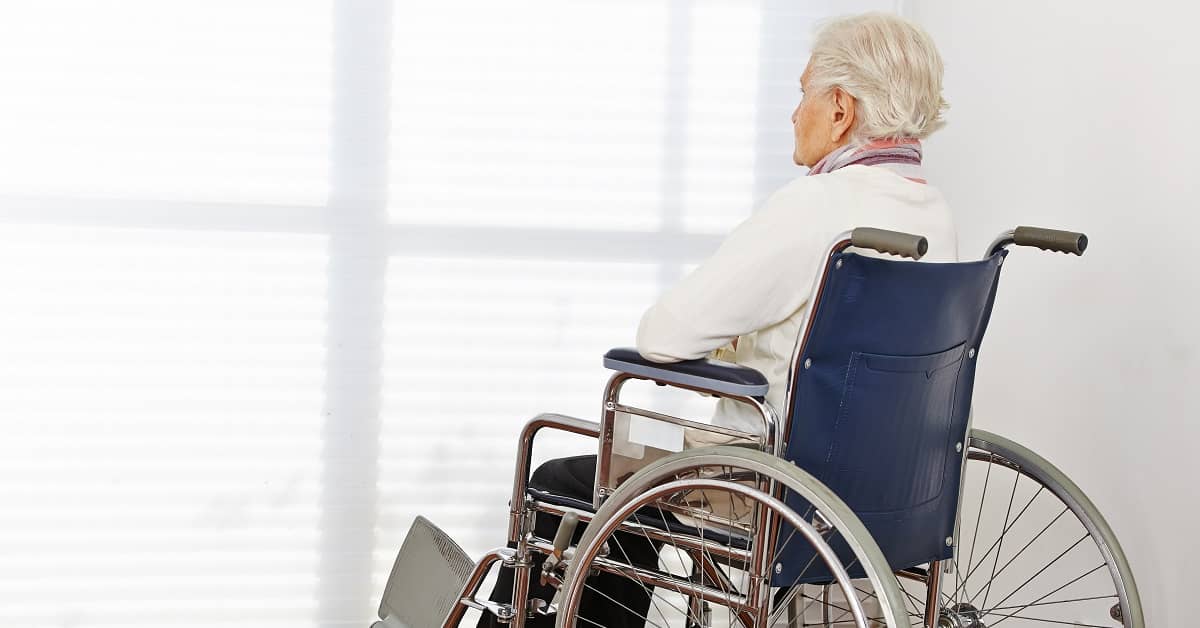
Unexplained injuries, new bedsores, weight loss, and fear of staff all call for a closer look and a written record, even when the staff has a ready explanation.
Many families first notice these signs during an ordinary visit:
- Bruises, skin tears, or fractures that staff can’t clearly explain.
- New or worsening bedsores, especially on the hips, heels, or tailbone.
- Weight loss, cracked lips, or confusion may point to poor nutrition or dehydration.
- Fear of a particular aide or reluctance to talk when staff are nearby.
- Missing money, jewelry, or personal items.
One sign alone may have an innocent cause. A pattern of them, or an explanation that keeps changing, usually means the facility has more to answer for. If you suspect wrongdoing, contact a Bronx nursing home abuse attorney today.
How Maggiano, DiGirolamo & Lizzi, P.C. Investigates Bronx Nursing Home Cases
Our Bronx nursing home abuse lawyers investigate claims by comparing what the facility promised, what the law required, and what the chart shows actually happened. The gaps between those three things usually tell the story.
Inspection Histories and Prior Citations
The Department of Health publishes inspection results for New York nursing homes. A facility cited before for the same problem, such as poor wound care or fall prevention, had a warning and failed to act. That history can support a finding of willful or reckless conduct under Section 2801-d.
Staffing Levels
New York sets minimum direct-care staffing standards for nursing homes. Payroll records and daily staffing sheets can show whether a Bronx facility met them on the days that mattered, and short staffing often explains missed turns, missed meals, and unanswered call lights.
Hospital Records and Wound Photos
When a resident goes to the hospital, the emergency room often documents injuries that the nursing home downplayed. Hospital wound photos, lab results showing dehydration, and X-rays of fractures give an outside, objective view of the resident’s condition.
Verdicts and Settlements
$325,000 - Nursing Home Abuse and Neglect
Awarded to a nursing home resident who developed a Stage IV ulcer requiring surgery where the nursing home alleged the resident was non-compliant with recommendations to reduce pressure from excessive wheelchair use.
How to Report Abuse at a Bronx Nursing Home
You can report abuse or neglect to the New York State Department of Health, which investigates nursing home complaints across the state. Reporting creates an official record and can lead to a citation against the facility.
Filing With the Department of Health
The Department accepts complaints through an online form and its Nursing Home Complaint Hotline at 1-888-201-4563, which you can call 24 hours a day. The Department generally accepts complaints about events from the past year, so report concerns promptly.
Calling the Ombudsman
The New York Long Term Care Ombudsman Program advocates for residents and can help resolve care problems. The ombudsman works for residents, not the facility.
When Someone Is in Danger
Call 911 if your loved one faces immediate harm. Then document what you saw, including names, dates, and photos, and contact a lawyer before you sign anything the facility gives you.

What Compensation Can You Get in a Bronx Nursing Home Abuse Case?
Compensation in a Bronx nursing home abuse case can cover the resident’s injuries, and Section 2801-d can add minimum damages, punitive damages, and attorney’s fees. The value depends on the injury, how long it lasted, and how the facility behaved.
Compensatory Damages
Compensation covers medical treatment, pain, emotional distress, and any financial loss the resident suffered. Under Section 2801-d, the law defines injury broadly to include physical harm, emotional harm, death, and financial loss.
Punitive Damages and Fees
When a facility willfully violates a resident’s rights or acts in reckless disregard of them, a jury may award punitive damages. A court may also award attorney’s fees to a resident who wins a Section 2801-d claim, which can shift part of the cost of the case to the facility.
Protection for Medicaid Eligibility
Section 2801-d also states that damages recovered under it don’t count when determining a resident’s Medicaid eligibility. For many Bronx families, that protection matters as much as the award itself.
When Do You Have to File a Nursing Home Abuse Claim in New York?
Most New York nursing home negligence and Section 2801-d lawsuits must be filed within three years. If a resident dies, the family’s wrongful death claim follows its own, separate deadline. New York can extend some deadlines for a person who couldn’t protect their legal rights because of a severe mental condition.
Courts apply that rule narrowly, so families shouldn’t count on it. We review the resident’s condition and the timeline together before deciding how to proceed.
Why Starting Early Matters
Waiting can cost you evidence even when time remains on the clock. Staff turns over, memories fade, and video systems overwrite footage. Starting early also gives us time to obtain the records needed to show how long the injury lasted, which drives the minimum damages under Section 2801-d.
Why Bronx Families Count on Our Team
Our New York office sits at 930 Grand Concourse, Suite 1A, in the heart of the Bronx. Families can meet with us close to home, and we handle the case from the first records request through trial if needed.
Here’s why New Yorkers trust us:
- More than $300 million for injured clients.
- Recognition in Best Law Firms 2026 by Best Lawyers.
- Experience with New York’s resident rights and negligence law.
- 24/7 availability.
Nursing homes often count on families feeling too worn down to fight. We take on the facility, its lawyers, and its insurer so you can focus on your loved one. Our attorneys prepare every Bronx case as if a jury in Bronx County will decide it, because that preparation often produces better results at the negotiating table.
Call (212) 543-1600 to talk with our New York team.

FAQs: Bronx Nursing Home Abuse Lawyer
Does New York cap pain and suffering damages in nursing home cases?
New York doesn’t place a general cap on pain and suffering damages in nursing home injury cases. A jury decides the amount based on the evidence, though courts can review awards they find excessive. Section 2801-d also sets a minimum, not a maximum.
Do I have to file a complaint with the Department of Health before suing?
A family doesn’t have to file a state complaint before bringing a New York nursing home lawsuit. Section 2801-d remedies add to any administrative process. Many families do both because a state finding can support the civil case.
Who can bring a claim after a nursing home resident dies?
After a resident dies, a court-appointed representative of the estate generally brings the claim in New York. If the court hasn’t appointed anyone yet, the family usually starts that process in Surrogate’s Court, and we can explain how it works.
Can I sue a Bronx nursing home for a bedsore?
A family can bring a New York claim when a resident develops a bedsore that proper care would have prevented. Federal rules require facilities to prevent pressure ulcers unless the resident’s condition makes them unavoidable, so the chart’s turning and skin-check records often decide the case.
What if my loved one moved from a Bronx nursing home to a hospital?
A transfer to a hospital doesn’t end a claim against the nursing home. Hospital admission records often document the injury in detail, such as a wound’s stage or signs of dehydration, and they can show what the resident’s condition looked like when they left the facility.
Your Loved One’s Rights Don’t End at the Front Door
Every resident keeps their rights when they move into a nursing home, and New York gives families real tools to enforce them. Those tools work well in the hands of a team that knows the statute and the Bronx courts. Maggiano, DiGirolamo & Lizzi, P.C. uses those tools for Bronx families every day.
Call (212) 543-1600 or reach us online to learn more about our Bronx personal injury lawyers.
Bronx Office
Maggiano, DiGirolamo & Lizzi, P.C.
930 Grand Concourse, Suite 1A
Bronx, NY 10451
Phone: (212) 543-1600