

NY Construction Crane Regulations in the Bronx: How OSHA + NYC DOB Violations Strengthen Your Worker Injury Case
Regulations from the Occupational Safety and Health Administration (OSHA) and the New York City Department of Buildings (DOB) crane safety rules help protect construction workers from preventable accidents.
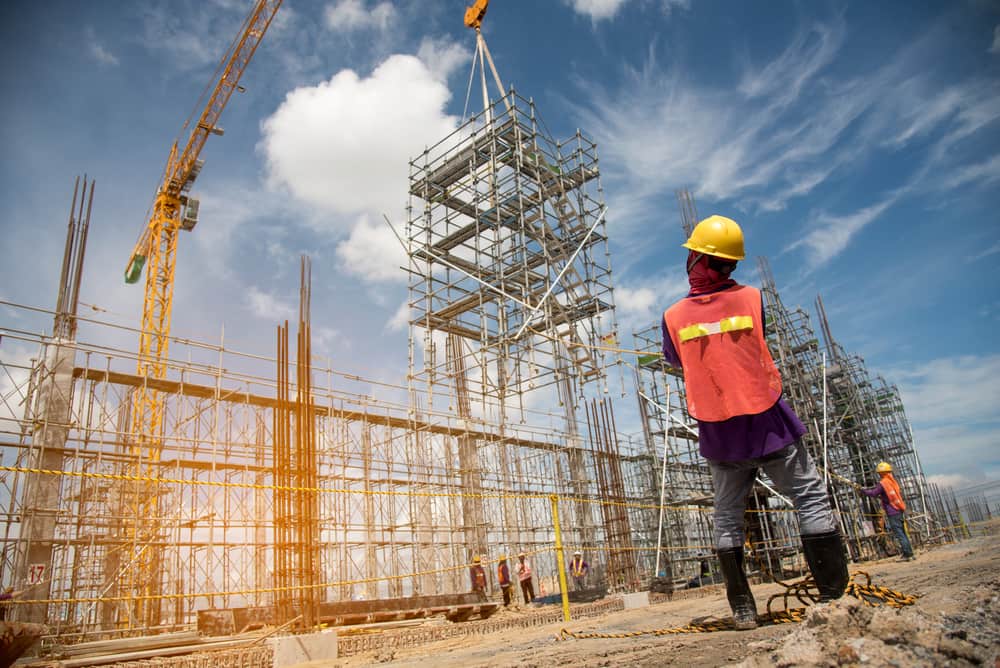
When a crane collapses, a falling load, a tip-over, or another lifting-related incident occurs in the Bronx, evidence that those rules were violated can play an important role in an injury claim.
These violations matter because they can help show how an accident happened and who may bear legal responsibility. Evidence of OSHA, DOB, or New York Labor Law violations may strengthen a worker’s claim for compensation beyond workers’ comp benefits.
Key Takeaways for Crane Safety Violations
- A broken safety rule often triggers strict legal protection for injured workers under New York law.
- Building owners, general contractors, and other responsible parties may bear legal responsibility for lifting accidents.
- Federal guidelines strictly coordinate with local city rules to create multiple layers of safety requirements.
- Workers can often file a separate lawsuit against third parties while still claiming basic state benefits.
- Fast action protects vital evidence like daily logs, wind charts, and broken machine parts.
Quick Answer: What Do Crane Safety Violations Mean for Injured Construction Workers in the Bronx?
Crane safety violations usually mean that an injured worker may have grounds to sue the site owner, general contractor, or another responsible party.
Since New York law imposes absolute liability for gravity-related dangers, a proven violation allows victims to seek compensation beyond workers’ comp benefits.
How Do OSHA and DOB Violations Affect a New York Labor Law Claim?
OSHA and NYC DOB violations can strengthen a construction injury claim, but they don’t automatically make a property owner or contractor liable. Instead, those violations often help show that required safety measures were missing and may support claims brought under New York Labor Law.
New York Labor Law § 240, often called the Scaffold Law, protects workers from certain gravity-related hazards involving falls or falling objects. Labor Law § 241(6) requires owners and contractors to comply with specific safety regulations found in New York’s Industrial Code.
These protections exist because construction workers generally don’t control site-wide safety decisions, crane operations, equipment selection, or project schedules. Owners, contractors, and other responsible parties often make those decisions.
When required safety devices are missing or safety regulations are ignored, New York law may allow an injured worker to pursue compensation beyond workers’ compensation benefits.
Coordination of OSHA Federal Standards With NYC Local Rules
The coordination of OSHA federal standards with NYC local rules creates a dense web of safety requirements that developers must follow. 29 C.F.R. Part 1926, Subpart CC sets the baseline for safe crane operation, worker training, inspections, and hazard communication.
Local city rules take these baselines and apply them strictly to the crowded, high-wind environments found in New York. A violation at either level may support an injury claim.
City developers must specifically follow NYC DOB crane permitting and inspection requirements found in NYC Building Code § 3319. These local rules demand special engineering plans, strict wind thresholds, and rigorous equipment testing before a machine ever lifts a load.
The specific facts of the accident still matter. Evidence of OSHA, DOB, or New York Labor Law violations, or of failures to comply with those laws, can help establish liability, but courts evaluate each case based on the circumstances surrounding the incident.

What Do Site Safety Managers Do During Bronx Crane Operations?
Site safety managers help monitor compliance with safety requirements on qualifying New York City construction projects. During crane operations, they may assist with identifying hazards, reviewing site conditions, and helping ensure that work proceeds in accordance with applicable safety rules and project requirements.
Their responsibilities can vary depending on the project, but site safety managers often play an important role in promoting safe work practices and addressing potential hazards before they escalate into accidents.
They may coordinate with contractors, review safety concerns, monitor site conditions, and help ensure that required procedures are being followed.
Types of Evidence That Help Reconstruct a Crane Accident
When a crane accident occurs, investigators often examine whether known hazards were identified, reported, and addressed. Site safety records, inspection reports, and project documentation can provide valuable insight into the conditions that existed before the incident and whether safety concerns were properly handled.
Since crane accidents frequently involve complex questions about site management, equipment condition, and regulatory compliance, investigators may review several types of evidence.
Helpful evidence includes:
- Maintenance Logs: These records can show the crane’s repair history, previous mechanical issues, and whether recommended maintenance was performed.
- Equipment Data and Electronic Records: Many modern cranes generate operational data that may help investigators understand how the equipment functioned before and during an incident.
- Lift Plans and Load Calculations: Project records may reveal whether the planned lift complied with capacity limits and other safety requirements.
- Inspection Reports: Daily, periodic, and project-specific inspections can help establish whether safety concerns were identified and addressed before the accident.
- Weather and Wind Records: Environmental conditions sometimes play a significant role in crane incidents, making weather data an important part of many investigations.
Together, these records can help investigators reconstruct what happened and identify the factors that contributed to a crane-related injury.
How Investigators Proved Negligence in Major NYC Crane Accidents
Past crane accidents show that negligence often comes down to preventable safety failures. Investigators typically determine fault by examining maintenance records, inspection reports, engineering documents, witness statements, and evidence showing whether safety procedures were followed.
One of the most widely known New York crane accidents occurred in 2008 when a tower crane collapsed on East 51st Street in Manhattan, killing seven people and injuring dozens more. Federal investigators concluded that workers did not follow the manufacturer’s instructions during the crane-climbing process.
OSHA found that the polyester slings supporting the collar failed during the operation, causing the crane to lose critical support and collapse. Investigators also examined prior safety concerns and site conditions.
More recently, a 2023 tower crane fire and partial collapse in Manhattan prompted an extensive investigation by the New York City Department of Buildings. Investigators concluded that a disconnected hydraulic hose likely sprayed flammable hydraulic fluid onto a hot surface, causing a fire that compromised the crane’s luffing system.
The investigation also examined inspection practices and safety requirements, leading the city to adopt additional crane safety measures.
These incidents illustrate a common theme: crane accidents rarely occur without warning signs. Investigators often uncover evidence showing that safety procedures were ignored, equipment problems went unaddressed, inspections were inadequate, or workers were exposed to unnecessary risks.
What Compensation Options Are Available After a Bronx Crane Accident?
Injured construction workers may have access to workers’ compensation benefits, a personal injury lawsuit, or both after a Bronx crane accident. Your available compensation depends on how the accident occurred and whether another party’s negligence contributed to your injuries.
For many workers, workers’ comp serves as the first source of financial support after a construction accident. New York’s workers’ comp system provides benefits regardless of fault, which means you don’t have to prove negligence to qualify.
These benefits can help cover medical expenses and replace a portion of your lost wages while you recover.
Workers’ compensation benefits may include:
- Medical Treatment Costs: Coverage for necessary medical care related to your work injury.
- Partial Wage Replacement: Benefits that help offset lost income if your injuries prevent you from working.
- Temporary or Permanent Disability Benefits: Compensation for qualifying impairments caused by the accident.
- Vocational Rehabilitation Services: Assistance for workers who need help returning to suitable employment.
Filing a Third-Party Claim
While workers’ compensation provides important benefits, it won’t cover every loss associated with a serious crane accident in the Bronx. For example, injured workers generally cannot recover compensation for pain and suffering through a workers’ comp claim.
In some situations, a separate personal injury lawsuit may also be available. This often occurs when a third party, such as a subcontractor, crane company, property owner, equipment manufacturer, or another entity on the project, contributed to the accident.
Evidence of OSHA violations or New York City DOB crane safety violations can help establish liability in these cases.
A personal injury claim may provide compensation for:
- Pain and Suffering: Compensation for the physical pain and emotional impact of the accident.
- Full Lost Wages and Future Earnings: Recovery for income losses that exceed workers’ compensation benefits.
- Loss of Enjoyment of Life: Compensation when serious injuries affect daily activities and overall quality of life.
- Additional Accident-Related Damages: Recovery for other financial and personal losses supported by the evidence.
Since multiple parties often work on New York construction sites, a thorough investigation can help identify every available source of compensation after a Bronx crane accident.
Why Do Crane Safety Violation Claims Require Legal Help?
Crane accident claims involving a safety violation often require legal help because they involve complex regulations, multiple potentially liable parties, and evidence that can disappear quickly after an accident.
Proving that a crane safety violation contributed to a worker’s injuries frequently requires more than showing that an accident occurred. It may involve reviewing maintenance records, inspection reports, lift plans, OSHA findings, NYC DOB records, and other technical evidence.
Construction companies and their insurers may send investigators to the job site soon after a crane collapse, dropped load, or other serious lifting accident. Their goal is to protect their interests and evaluate potential liability.
At the same time, injured workers and their families may still be trying to understand what happened. Working with a Bronx construction accident lawyer can help preserve important evidence and ensure that critical records don’t get lost, overwritten, or discarded.
FAQ for Crane Safety Violations
What Should I Do After a Building Site Crane Injury?
After a building site crane injury, seek emergency medical care at a hospital and immediately report the incident to your supervisor in writing. Getting fast medical care not only helps your physical recovery, but it also documents the exact physical trauma you suffered.
The formal report confirms that the accident occurred while you were working.
Does Workers' Compensation Cover Crane Safety Violations?
Workers’ compensation covers your basic medical bills and a portion of your lost wages regardless of who caused the crane safety violations. However, workers’ comp prevents you from suing your own employer for full pain and suffering, which is why finding a third-party target is so important.
Who Pays for Medical Bills if a Rigging Crew Drops a Load?
If an outside rigging crew drops a load, you may have a claim against the company responsible for the accident. Your own workers’ compensation may pay the hospital upfront, but additional compensation may be available through a third-party claim if negligence contributed to the accident.
Can I Sue My Employer for a Hoisting Safety Failure?
You generally cannot sue your direct employer for a hoisting safety failure because state law limits your remedy to basic workplace injury benefits. You can, however, file a third-party lawsuit against the property owner, the general contractor, or the equipment manufacturer who allowed the danger to exist.
What Makes Bronx Crane Accident Claims Different From Standard Construction Cases?
Bronx crane injury claims differ because they involve complex engineering failures, extensive municipal permitting requirements, and potential claims under New York Labor Law and other legal theories.
These cases require highly technical accident reconstruction and an aggressive approach to untangling dozens of different corporate insurance policies.
Protect Your Rights After a Bronx Crane Accident
If you were injured in a crane-related construction accident in the Bronx, understanding your legal options is an important step toward protecting your future. Maggiano, DiGirolamo & Lizzi, P.C. offers a free consultation so you can learn about your path to compensation with no risk.
Our attorneys represent injured construction workers and their families throughout New York. Call our Bronx office at (212) 543-1600 or complete our online contact form to discuss your situation with our team for free.